
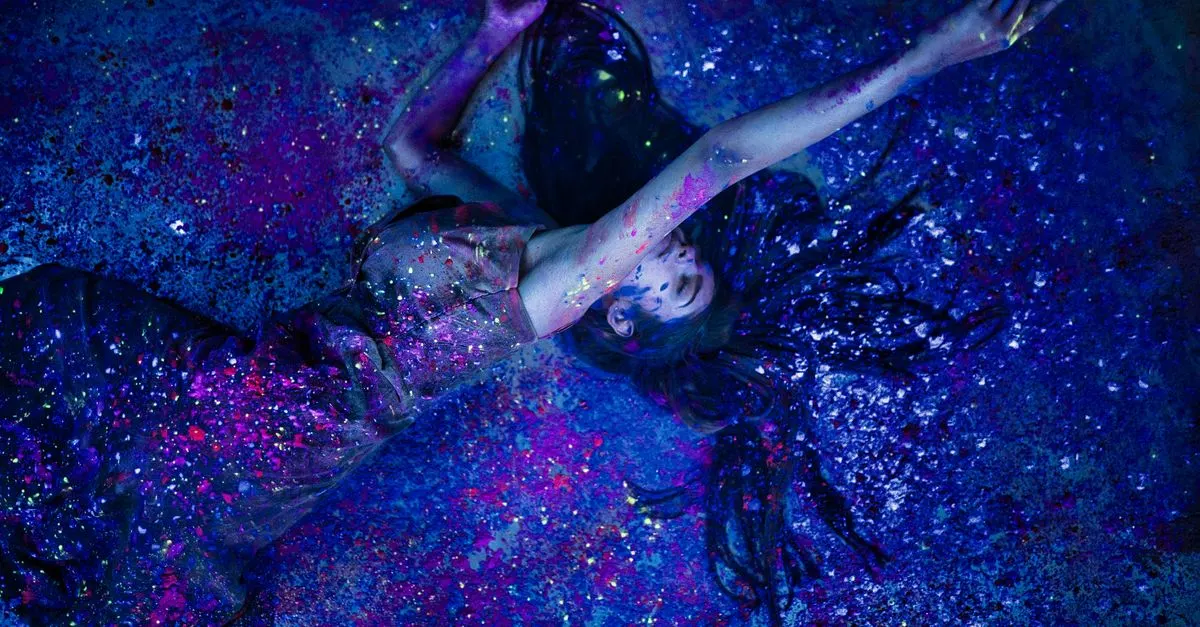
Every night, you lie down, close your eyes, and your brain spins entire worlds, vivid, bizarre, emotional, often impossible. You might fly, talk to people who've died, or sit a test you never studied for. Then you wake, and within minutes most of it evaporates. Humans have wondered about dreams for as long as we've had language. Why do we dream? Here is the surprising truth: science still cannot say for certain.
Dreams probably do several jobs at once
We don't have one confirmed reason for dreaming, but researchers have strong leading theories. Dreams appear to help the brain consolidate memories, process emotions, rehearse responses to danger, and stay active during sleep. The most likely answer is that dreaming serves several overlapping purposes simultaneously, which is part of why it has been so hard to pin down.
When dreaming happens
To understand dreams, start with sleep itself. Across the night your brain cycles through stages, the most famous being REM sleep, short for rapid eye movement, because your eyes flick around beneath closed lids. REM is when the most vivid, story-like dreams usually occur. Strangely, during REM your brain is almost as active as when you're awake, lighting up with electrical activity, while your body is essentially paralyzed, a built-in safety feature that stops you from acting out your dreams.
You cycle through REM several times a night, with REM periods getting longer toward morning, which is why your most elaborate dreams often come just before you wake. You can dream in other stages too, but those tend to be vaguer and more thought-like. The brain, it turns out, is a very busy place at 3 a.m. It's busy when you're awake too, quietly predicting your own actions all day long, which is why you can't tickle yourself.
Four theories, probably all partly right
Memory consolidation. One of the best-supported ideas is that sleep, and dreaming in particular, helps the brain sort and store the day's experiences. During sleep the brain seems to replay recent events, strengthen the connections worth keeping, and prune the ones that aren't. In this view, dreams are partly a byproduct of the brain filing memories overnight, which fits the way dreams so often stitch together fragments of your recent days.
Emotional processing. Another influential theory holds that dreaming is how the brain works through feelings. REM sleep may let you revisit emotional experiences in a safer, calmer chemical environment, taking the sharp edge off difficult memories. There's a reason the advice "sleep on it" works: people often wake with emotions that feel more settled, and disrupted dreaming is linked to worse emotional recovery.
Threat rehearsal. A striking idea suggests dreams are a kind of flight simulator for danger. Many dreams involve being chased, threatened, or caught off guard, and the theory is that by rehearsing scary scenarios in the safety of sleep, the brain practices recognizing and responding to threats. A gentler modern version extends this to social situations: dreams as a rehearsal space for the awkward, the frightening, and the unresolved.
Keeping the brain tuned. A more mechanical theory proposes that the sleeping brain generates random activity to keep its circuits exercised and ready, and that the storyline of a dream is your waking mind's attempt to weave that random activity into a narrative after the fact. In other words, part of dreaming may be your brain trying to make sense of its own noise, much like the overeager pattern detector that makes you see faces in clouds and power outlets.
These theories aren't rivals fighting to the death. Most sleep scientists suspect dreaming serves several overlapping purposes, a single phenomenon doing a lot of quiet work at once.
Do dreams mean anything?
Dreams clearly draw on your real life, your worries, your relationships, the things you saw and felt that day. In that personal sense they can absolutely be meaningful, a window into what's weighing on you. But the old idea of a universal dream dictionary, where falling or losing teeth means the same thing for everyone, has no scientific backing. Your dream symbols are yours, shaped by your own mind and memories.
The thing that should give you pause
Here's the humbling bit. Dreaming is universal, every human does it, and so, it seems, do many animals, from dogs twitching in their sleep to rats whose brains replay the mazes they ran that day. Something this widespread, this conserved across millions of years of evolution, is almost certainly important. And yet one of the most ordinary things you do, something you'll do again tonight, and every night of your life, remains one of the genuine unsolved mysteries of your own mind. You are, quite literally, a riddle to yourself every time you fall asleep.
Keep wondering: the same mysterious brain that builds your dreams also produces the eerie flicker of déjà vu, the song that loops in your head for hours, and the way you perceive the everyday world, like why the sky looks blue.





Join the conversation
Comments are reviewed before they appear. Be kind and stay curious.
Loading comments…