
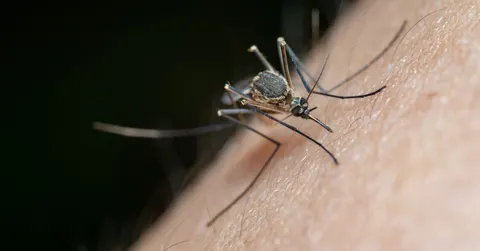
The Science of Us
Why Does Scratching an Itch Feel Good? Your Spinal Cord Picks a Winner
Why does scratching an itch feel good? Scratching makes a little pain, and your spinal cord drops the itch to deal with it. Then your midbrain pays you.
Brains, bodies, perception, and everyday physics.
Why does scratching an itch feel good? Scratching makes a little pain, and your spinal cord drops the itch to deal with it. Then your midbrain pays you.

Why do we get brain freeze? Cold hits the roof of your mouth, blood vessels lurch, and nerves report the pain to your forehead instead. Here is the evidence.

Why do we sneeze? A trigeminal-nerve reflex fires a fast blast of air to clear irritants from your nose. Plus the speed myth and sun sneezes.
Why do we get hiccups? A sudden diaphragm spasm yanks in air, then your vocal cords slam shut in about 35 milliseconds. That snap is the hic. Here's why.
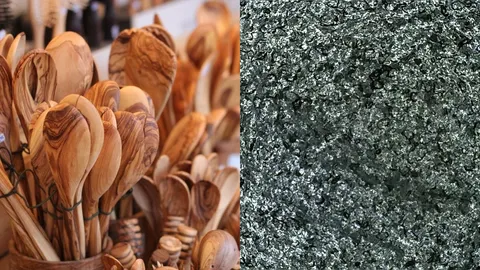
Why does metal feel colder than wood? Your skin senses heat flow, not temperature, and metal pulls heat from your hand far faster than wood does.
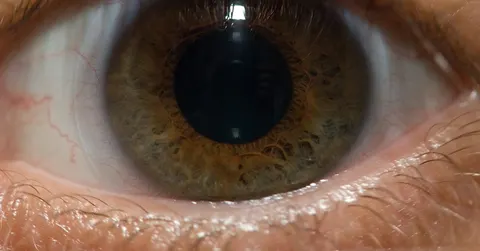
Why do people have different eye colors? It comes down to one brown pigment, melanin, plus a trick of light. Blue eyes have little melanin in the front layer, while green and hazel mix pigment with structure.
Why do our stomachs growl? It's the sound of muscles pushing food, fluid, and gas through your gut, called borborygmi. It's just louder when the tract is empty.

Why does mint feel cold? Menthol hijacks TRPM8, the same nerve receptor that detects real cold, so your brain feels a chill that never actually happened.

Why does the ocean have waves? Mostly wind, dragging across the surface and handing its energy to the water. The strange part: waves move energy, not water.

Why does time go faster as you get older? Three explanations: the proportional theory, novelty and memory encoding, and Adrian Bejan's mind-time hypothesis.

Why are some people left-handed? About 1 in 10 of us are. It's set before birth by many small-effect genes and chance, tied to how the brain divides its labor.

Why do we blink? To spread tears that keep the eye moist and clean. But we blink far more than that needs, and the extra blinks seem to punctuate how we think.

Why is grass green? Chlorophyll absorbs red and blue light to power photosynthesis and reflects green to your eyes. The deeper question is why it isn't black.

Why do veins look blue? Your blood is always red. Veins look blue because skin absorbs red light and scatters the rest back to your eyes. The real reason.
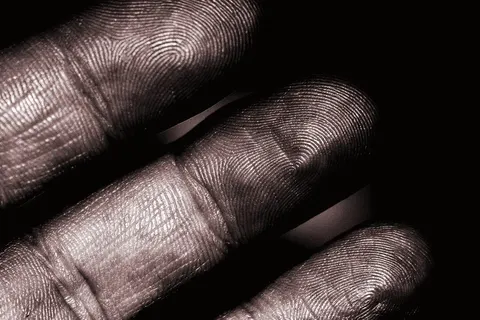
Why do we have fingerprints? They form in the womb as skin buckles into ridges, unique to you. What they are actually for is still a genuine scientific debate.
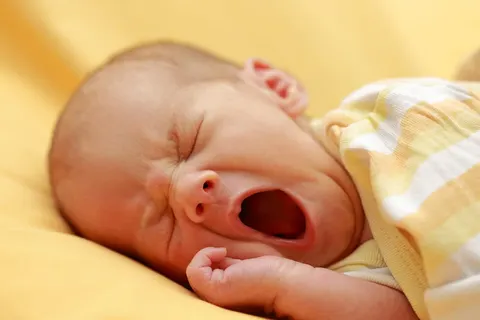
Why do we yawn, and why is it catching? It's not about oxygen, that's a myth. The leading ideas are brain cooling and shifting alertness, still unsettled.

Why do we have belly buttons? Your navel is the scar left where the umbilical cord once fed you. Whether it is an innie or an outie is not the doctor's doing.
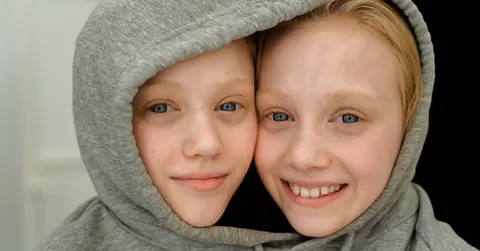
Do twins have the same DNA? Identical twins come close but never quite match. They differ by about 5.2 early mutations, and a lab can now tell them apart.
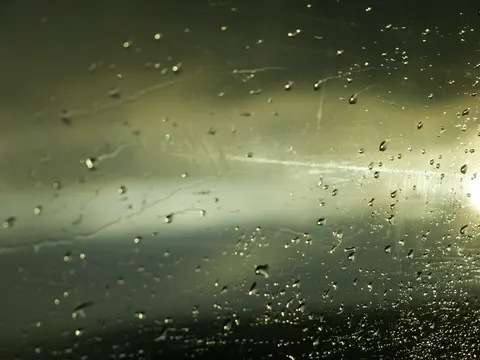
Why does it rain? Water evaporates, rises, and cools into droplets around specks of dust, then they collide and grow until heavy enough to fall.
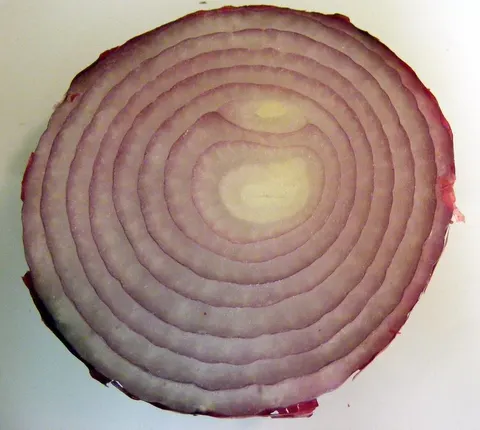
Why do onions make you cry? Cutting one triggers a two-enzyme reaction releasing a gas that turns to mild sulfuric acid on your eyes. Plus the fix.
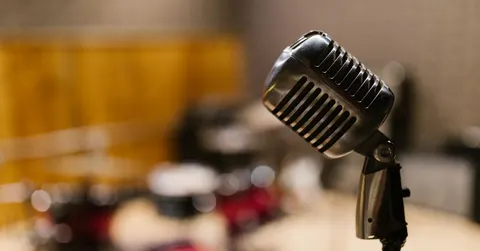
Why does your voice sound different on a recording? You hear it through your skull bones, which add deep tones. A recording catches only the air-borne version.
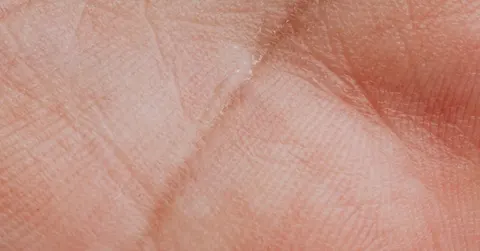
Do identical twins have the same fingerprints? No. They share every gene but not the womb's fine print, so even a fingerprint scanner can tell them apart.
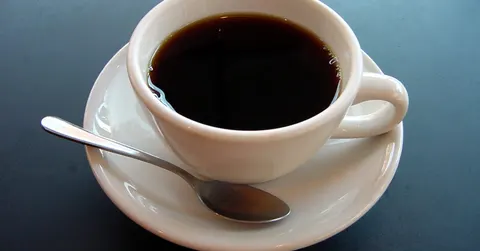
Why does coffee make you poop? Within minutes it triggers gut hormones and a colon reflex. And decaf does it too, so it isn't just the caffeine.
Why do songs get stuck in your head? The science of earworms: the song features that trigger them, why they loop, and research-backed ways to make them stop.

Cute aggression is the urge to squeeze or playfully bite adorable things. A Yale team named it in 2013; 2018 brain scans found the cause. Here's the science.

Why do we see faces in things like outlets and car grilles? It's your brain's face detector running hot, and the science goes deeper than you'd think.
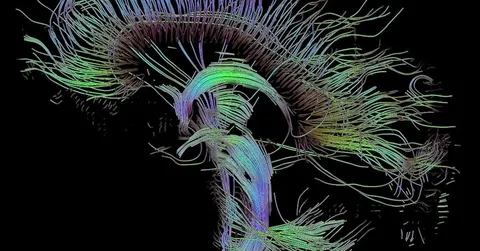
Why can't you tickle yourself? Your cerebellum predicts your own touch and cancels the sensation before it registers. Here's the weird science behind it.
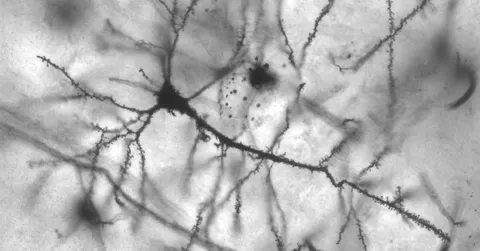
What causes déjà vu, that sense you've lived this moment before? Leading brain science points to a memory 'misfire.' Here's the most likely explanation.

Why do we dream? Science has several leading theories, from memory sorting to emotional processing to threat rehearsal. Here's what we really know about dreams.

Why is the sky blue? The real answer is a story about sunlight, tiny air molecules, and a trick of physics called Rayleigh scattering, explained simply.