

How It Works
How do caves form? The slow magic of water and stone
How do caves form? Slightly acidic groundwater quietly dissolves limestone over thousands to millions of years, hollowing out rooms and growing stalactites.
Everyday physics, weather, food, and how ordinary things actually work.
How do caves form? Slightly acidic groundwater quietly dissolves limestone over thousands to millions of years, hollowing out rooms and growing stalactites.

Why does popcorn pop? Each kernel is a sealed pressure cooker. Heat turns its water to steam, pressure climbs to about 9 atmospheres, and the hull bursts.

How do airplanes fly? A wing throws air downward and the air pushes the wing up. Here is the real physics of lift, the four forces, and the myth NASA debunks.

Why is snow white when ice is clear? A snowbank scatters every color of light back at you in equal amounts, and that even mix is the white your eye reports.

Why does salt melt ice? Dissolved salt ions crowd out water molecules trying to rejoin the ice crystal, dropping the freezing point below 0 C so it melts.

How do glow sticks work? Snapping one breaks a glass vial inside, mixing two chemicals that release their energy as light, not heat, like a firefly's cold glow.

Why does pasta water boil over? Starch from the pasta turns the steam bubbles into a sticky foam that traps steam and climbs the pot until it spills.
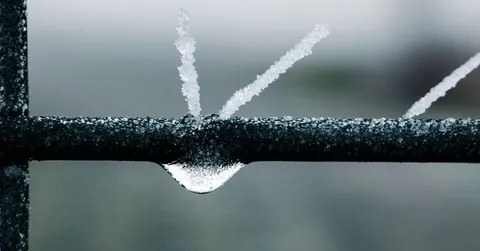
Why does your tongue stick to cold metal? Metal pulls heat from your wet tongue so fast the saliva freezes into ice, gluing tongue to pole. Here's how to free it.

Why does ice crack when you put it in water? Thermal shock. The outer layer warms and expands while the cold core stays put, and brittle ice splits.
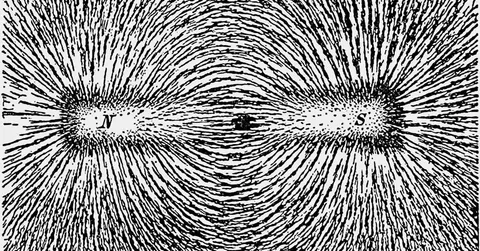
How do magnets work? Magnetism comes from moving electric charge and electron spin, lined up across regions of iron. The real, slightly strange answer.
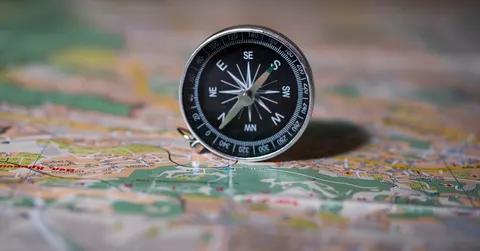
How does a compass work? A magnetized needle lines up with Earth's magnetic field, pointing not to true north but to a magnetic pole that's drifting toward Siberia.

How much does a cloud weigh? A small cumulus holds about 1.1 million pounds of water, the weight of 100 elephants, yet it floats. Here is the math and why.