
Space & Cosmos
How Do Black Holes Die? The Slow Fade of the Darkest Things
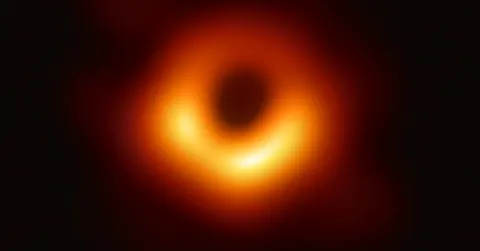
How do black holes die? Through Hawking radiation, they slowly evaporate over almost unimaginable spans of time. Here's how the universe's darkest objects end.
A library of wonder. Clear, accurate answers to the questions about space, life on Earth, and the science of you that you keep meaning to look up.
How big is the universe? The observable universe spans 93 billion light-years, but the whole thing may be infinite. Here's what 'size' even means in space.
Read the answer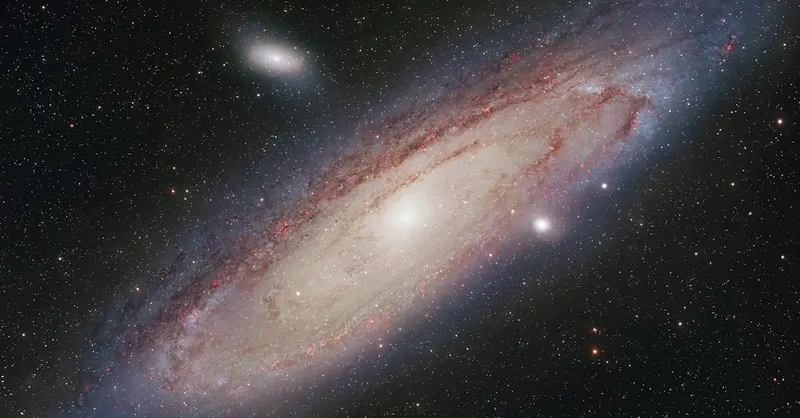
How do black holes die? Through Hawking radiation, they slowly evaporate over almost unimaginable spans of time. Here's how the universe's darkest objects end.
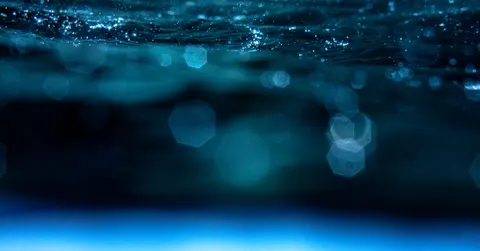
How deep is the ocean? The deepest point plunges nearly 7 miles down. Here's what the journey looks like, and the astonishing life waiting in the dark.
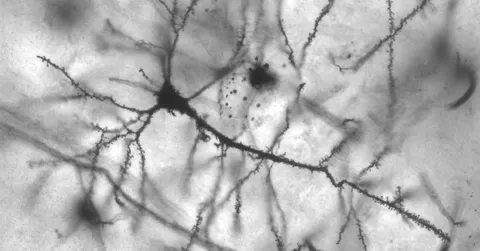
What causes déjà vu, that sense you've lived this moment before? Leading brain science points to a memory 'misfire.' Here's the most likely explanation.
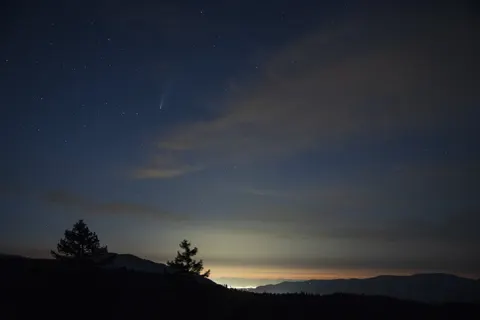
Why do comets have tails? Sunlight turns comet ice straight into gas, and the Sun pushes it into two tails: a curved dust tail and a straight ion tail.
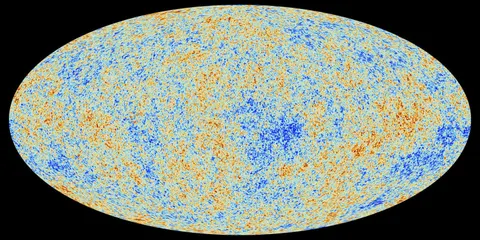
Why is space black? Not because the universe is empty. With endless stars the sky should blaze. The real answer is that the universe has a finite age.
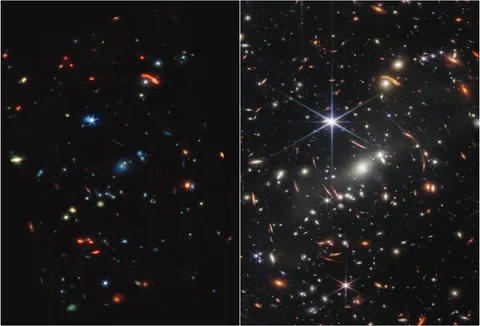
What is outside the universe? Possibly nothing, because 'outside' needs space to be outside in. Why expansion needs no outside and the horizon is not an edge.
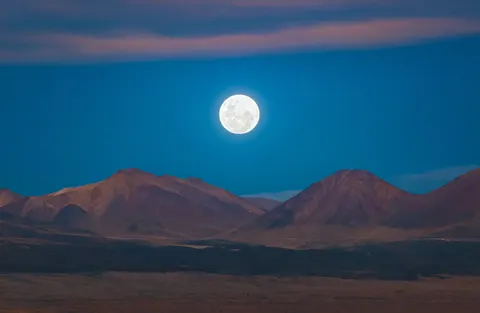
Why does the moon look bigger on the horizon? It isn't. The moon is the same size there, and slightly farther away. Psychologists still argue about the cause.
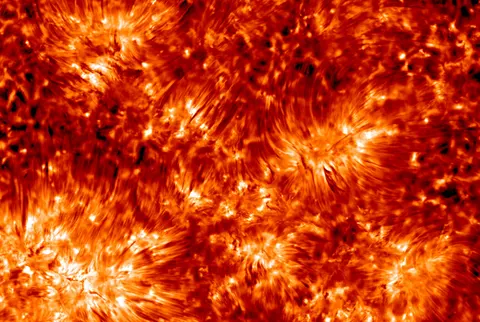
What is the Sun made of? About 92% hydrogen and 8% helium by atom count, all of it plasma. It shines from nuclear fusion, not fire, no oxygen needed.
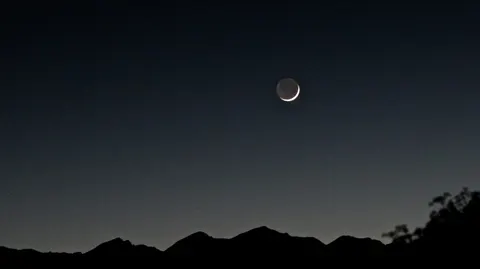
Does the Moon make its own light? No. Moonlight is reflected sunlight, and the Moon is a poor reflector, about as dark as worn asphalt against a black sky.
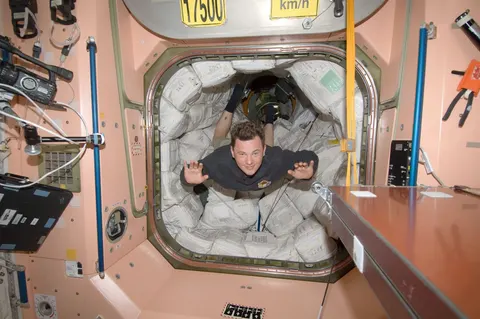
Why do astronauts grow taller in space? With no gravity compressing the spine, it stretches by up to 3 percent, a couple of inches. It reverses on Earth.
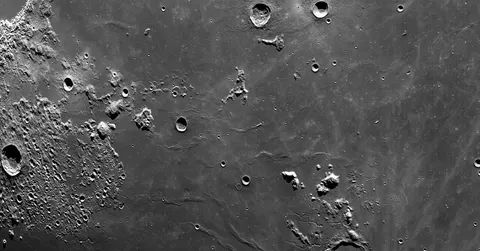
Why does the Moon have so many craters? It gets hit constantly, and with almost no air, water, or weather to erase the scars, many impacts remain visible for billions of years.
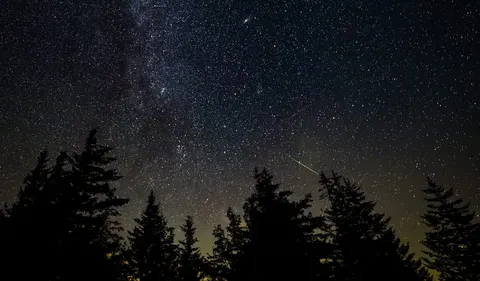
Meteor vs meteorite: what's the difference? One space rock at three stages: a meteoroid in space, a meteor as it streaks and burns, a meteorite once it lands.

How do astronauts sleep in space? Zipped in wall-strapped bags through 16 daily sunrises, with masks, earplugs, and, a 2014 Lancet study found, sleep meds.

Can you see the Milky Way with the naked eye? Yes, under dark skies, but light pollution hides it from ~80% of North Americans. Here's how and where to look.

Can you see the Moon during the day? Yes, on most days of the month. It's bright enough to show against the blue when it's clear of the Sun's glare.

How many moons does Jupiter have? NASA recognizes 101 officially, and the latest catalog lists 115 as of April 2026. Here is why the number keeps rising.

In an idealized quiet system, a small black hole can shred you before the horizon, while a supermassive one may let you cross before tides become lethal.

What is the temperature on the moon? It swings from about 120 C in daylight to -130 C at night, with polar craters near -240 C, because the Moon has no atmosphere.

Why do we have seasons? Earth's axis is tilted about 23.5 degrees, so each hemisphere leans toward the Sun for half the year. It's the tilt, not the distance.

How old is the universe? About 13.8 billion years, measured from the oldest light in the sky and the rate at which the cosmos is still expanding.

Why is Venus the hottest planet when Mercury sits closer to the Sun? A runaway greenhouse effect and thick carbon dioxide trap the heat with nowhere to go.

What would happen if the Sun disappeared? For 8 minutes, nothing. Then darkness, Earth flung into space, and a slow freeze. Here is the full timeline.

How big is the sun compared to earth? About 109 times wider, big enough to swallow 1.3 million Earths, and holding 99.8% of all the mass in the solar system.
How do astronauts poop in space? With airflow, not gravity. NASA's toilet suctions waste away, recycles urine into drinking water, and burns the rest up.
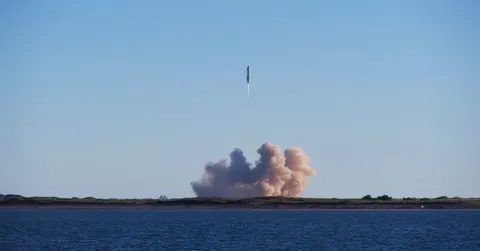
How long would it take to get to the moon? About 3 days like Apollo, 8.5 hours at the fastest flyby, or 14 months by ion engine. It all depends on how you travel.
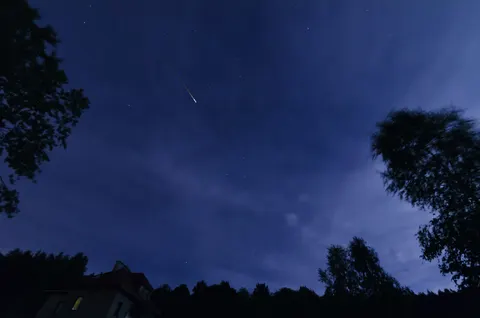
What is a shooting star? Not a star at all. It's a meteoroid, often a grain of dust or a pebble, burning up about 75 to 120 km overhead as it hits the air.
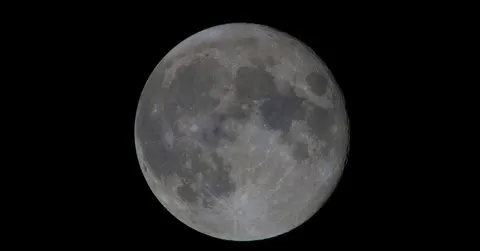
Why is the moon moving away from earth? Tidal friction nudges it 3.8 cm farther each year, the speed your fingernails grow, while slowly stretching out our days.
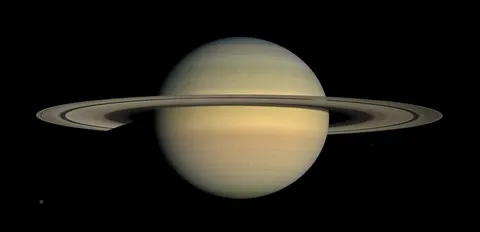
What are Saturn's rings made of? Over 95 percent water ice, from dust grains to house-sized boulders, and they are young, thin, and slowly raining away.
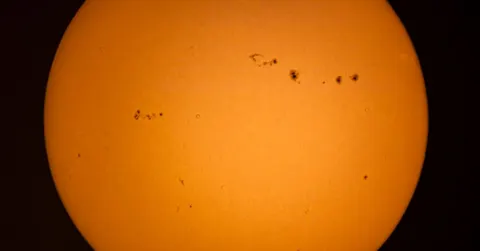
How loud would the sun be if we could hear it? Estimates put it near 100 dB at Earth, about a rock concert, but space is a vacuum so the sound never arrives.
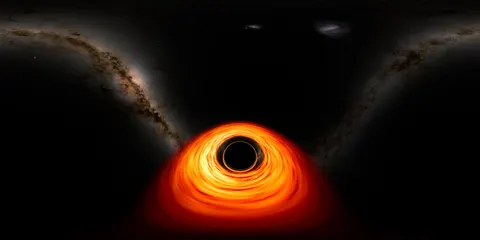
What is a white hole? It is a black hole with time reversed: a region nothing can enter. Real math, badly unstable, and never once seen in the sky.
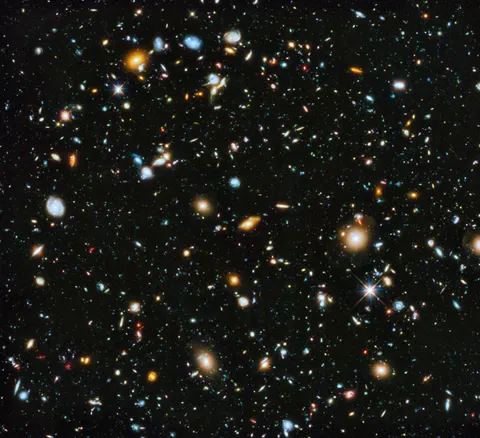
Is the universe infinite? Space measures flat to within a fraction of a percent, which permits an endless cosmos but cannot prove one. Here's why.
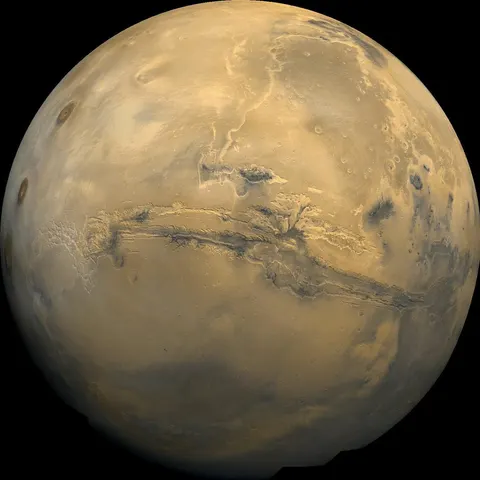
Why is Mars red? The planet is coated in iron oxide dust, the same stuff as rust. A 2025 study points to a water-bearing mineral, hinting Mars was once wet.
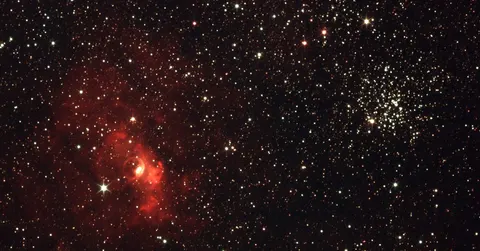
How big is the biggest star compared to the sun? The largest known stars are roughly 1,500 to 2,100+ times the Sun's radius, big enough to swallow the inner planets.

What would happen if the moon crashed into earth? It would break apart into a ring long before impact, when it crossed Earth's Roche limit. And it can't happen.
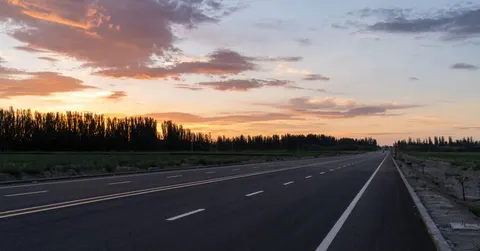
How long would it take to drive to the sun? At a steady 60 mph nonstop, about 177 years. Light makes the same trip in 8 minutes, and one NASA probe in 9 days.
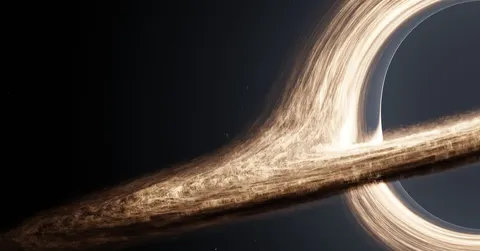
What is on the other side of a black hole? Likely a singularity we can never see, while white holes and wormholes stay math, not proof. Here is the honest answer.
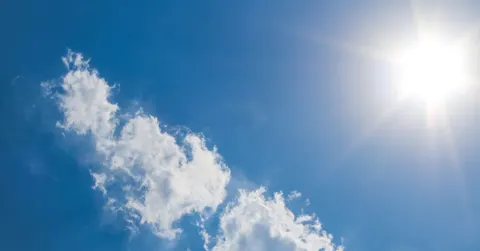
How many earths can fit in the sun? About 1.3 million by volume, or roughly 960,000 packed as solid spheres, with 109 lined up across its face.

How cold is space? Empty space sits at about -270C, just above absolute zero. But a vacuum has no real temperature, and you would overheat before you froze.
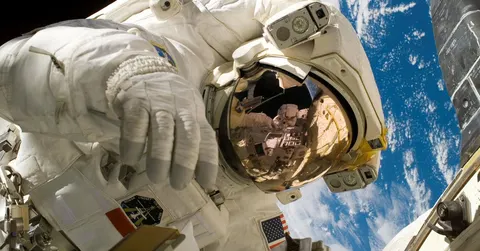
What does space smell like? Astronauts describe seared steak, hot metal, and gunpowder clinging to suits after spacewalks. Here is the chemistry behind it.
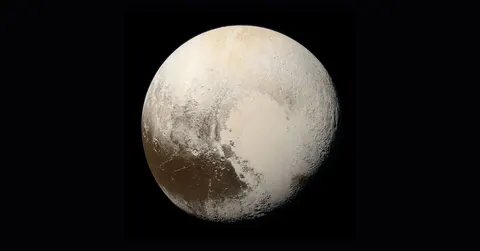
Why is Pluto not a planet? In 2006 astronomers voted it a dwarf planet for failing one rule: it never cleared its orbit. The story, and the man who killed it.
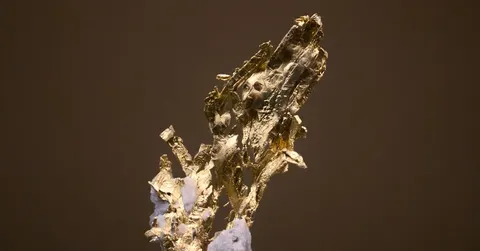
Where does gold come from? The gold in your jewelry was forged in a neutron star collision billions of years ago. Here's the wild physics behind it.
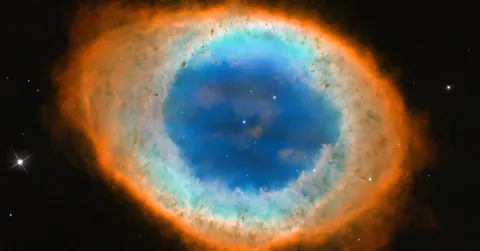
What happens when the sun dies? In 5 billion years it swells into a red giant, swallows the inner planets, and fades to a white dwarf. Here's the timeline.
Why do stars twinkle while planets shine steadily? The answer is our turbulent atmosphere bending starlight, and a surprising trick of distance and size.
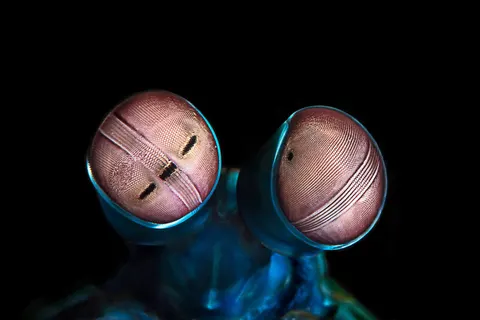
How many colors can a mantis shrimp see? Fewer than you, despite 12 color channels. The 2014 Science experiment that broke the internet's favorite fact.
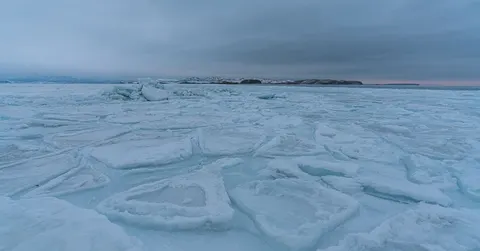
Does the ocean freeze? Seawater turns to ice near -1.8 degrees Celsius, and the ice pushes its salt back out, which is why old sea ice melts down fresh.
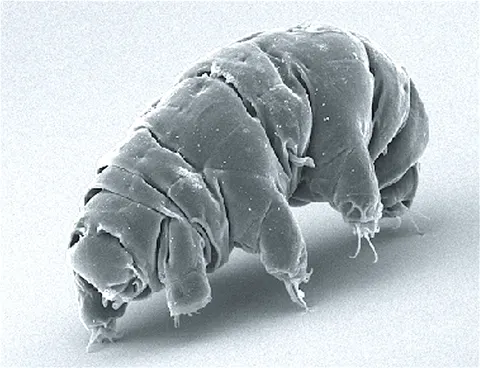
Are tardigrades immortal? No. An active water bear dies of old age in about 40 days. The famous 30-year revival paused the clock, it did not stop it.
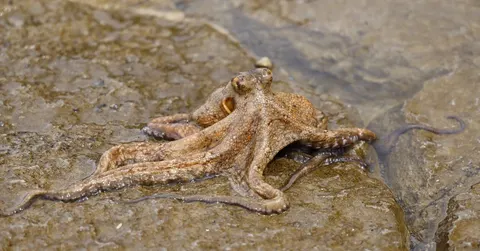
Does an octopus have three hearts? Yes: two branchial hearts for the gills and one systemic heart for the body, which stops beating whenever it swims.
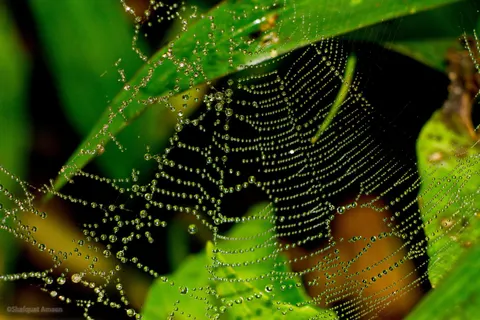
How strong is spider silk? Dragline silk breaks near 1.1 GPa, below high-tensile steel. It beats steel by weight, and beats Kevlar on toughness by miles.
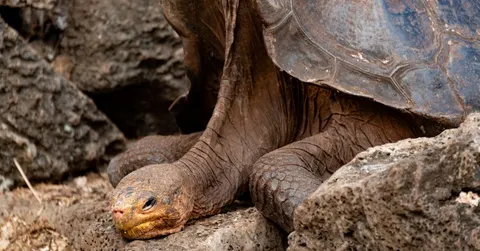
What is the longest living animal? A glass sponge may reach 11,000 years, a clam hit 507, and a Greenland shark swims past 270, ranked by how each was dated.
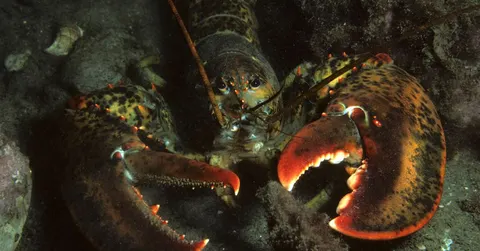
How long do lobsters live? Likely 50 years and sometimes near a century. They age slowly thanks to telomerase, but they are not immortal and still die.
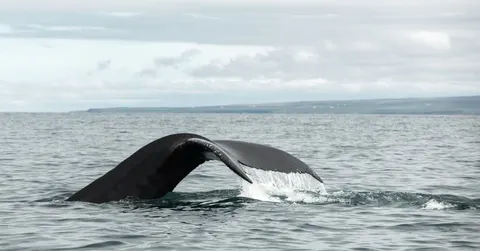
How do whales sleep? Most rest one half of the brain at a time so they keep breathing, and sperm whales nap upright in short vertical drift-dives.
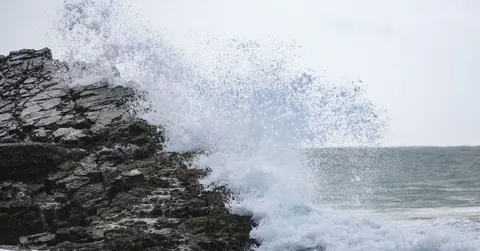
Why is the ocean salty? Rain weathers rock, rivers carry dissolved salts to the sea, vents add more, and evaporation leaves the salt behind at about 3.5%.
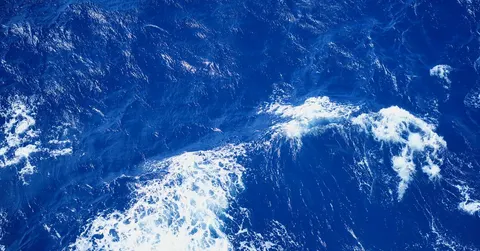
Why is the ocean blue? Water itself absorbs red light and lets blue through. The blue is the water, not a reflection of the sky, and here is why.
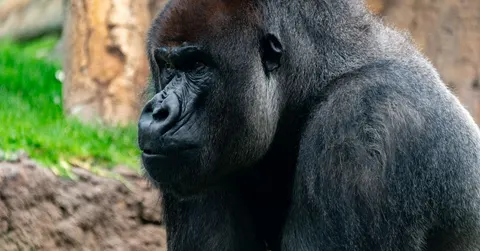
How strong is a gorilla? The 4-to-10x-a-human claim is mostly guesswork. Almost no gorilla has been directly measured, and the best ape data says about 1.35x.
How much of the ocean have we explored? The famous 5% stat is misleading. About 27% of the seafloor is mapped at high resolution, but we've seen far less.
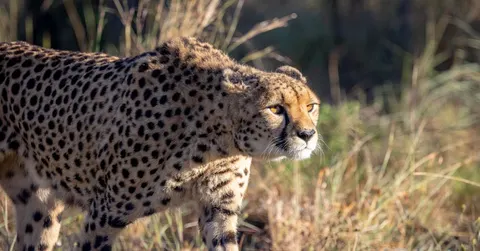
How fast can a cheetah run? Up to 60-70 mph, hitting 45 mph in 2.5 seconds, but it can only hold a full sprint for about 20 seconds before it has to stop.
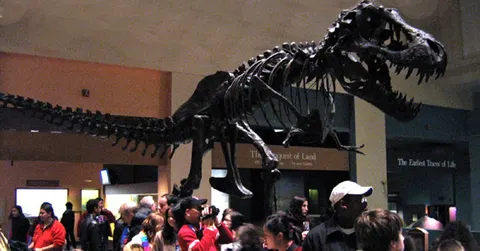
Why did T. rex have tiny arms? A 2026 study links shrinking forelimbs to a bigger, deadlier skull, but their use is still debated. Here are the top ideas.
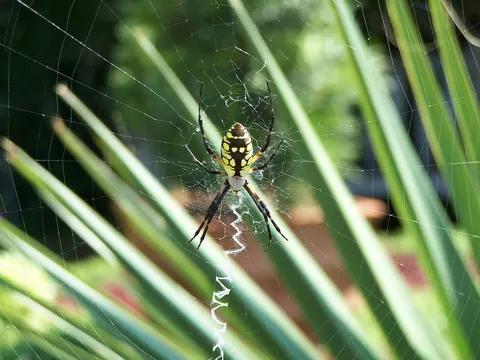
Why do spiders make webs? Mainly to trap prey without chasing it, and the web doubles as a vibration sensor. But not all spiders build webs, many hunt on foot.
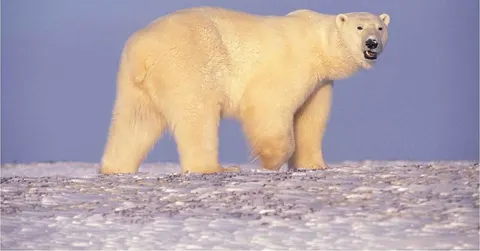
Why is polar bear skin black? Under that coat the skin is jet black, though its exact function is not settled, and the fur is clear, hollow, and air-filled.
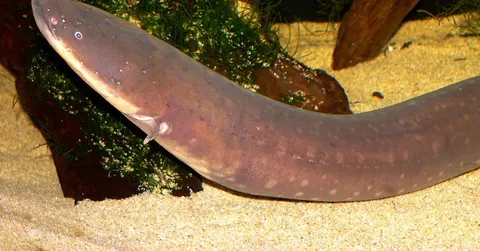
How do electric eels make electricity? Thousands of cells called electrocytes stack like batteries and fire together, producing species-dependent shocks that can reach 860 volts.
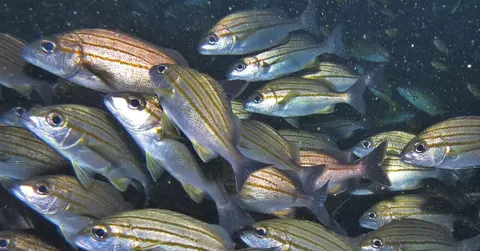
Why do fish swim in schools? Predation is one important reason, but schooling can also help with feeding, sensing, mating, and movement in some species.
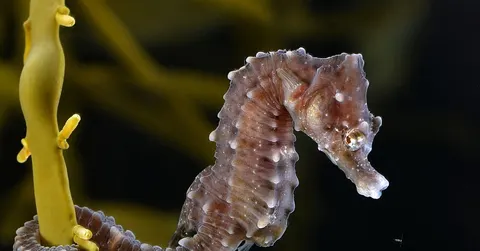
How do seahorses give birth? The female passes eggs to the male, who fertilizes them, carries them in a pouch, and then pushes out hundreds of tiny fry.
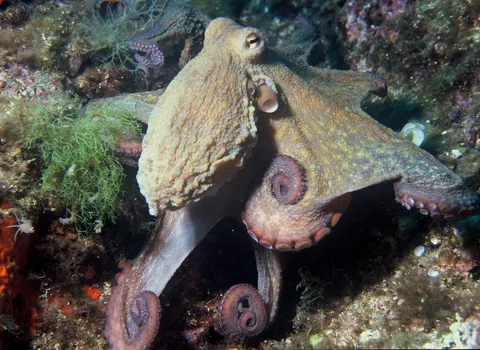
Do octopuses have bones? No. They're soft-bodied molluscs, and the beak is the main hard biting structure, which helps explain how they squeeze through tiny gaps.
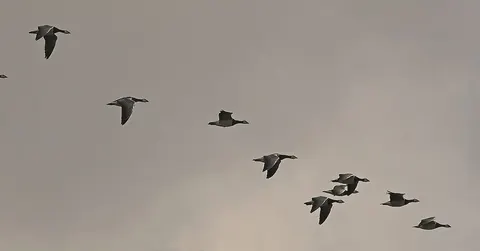
Why do geese fly in a V? Birds in suitable positions can use upwash from a bird ahead, while the shape helps keep a flock together.
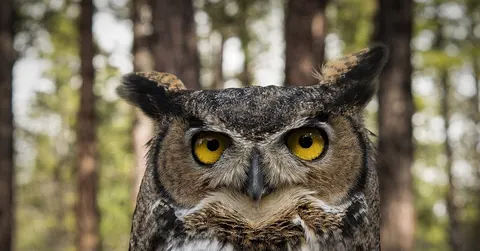
Why can owls turn their heads so far? Their eyes are fixed tubes that cannot move, so some owls rotate beyond 270 degrees, with neck tricks that guard the brain.

Why do deer freeze in headlights? Their night-tuned eyes can be overwhelmed by sudden glare, so they may hold still rather than bolt into the dark.
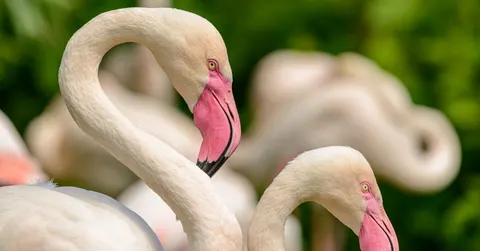
Why are flamingos pink? They are born grey and eat their way to pink, drawing pigment from algae and shrimp. Some even wear it as makeup.

How does a Venus flytrap work? It counts touches on its trigger hairs, normally snapping shut after two within roughly 20 to 30 seconds and digesting only after about five.

How long can penguins hold their breath? Emperor penguins usually dive 3 to 6 minutes, but the longest dive on record ran 27.6 minutes on a single breath.

Why do horses sleep standing up? A built-in 'stay apparatus' helps stabilize selected leg joints so they can doze upright and stay ready to move. But they must lie down to dream.

Why did woolly mammoths go extinct? A warming climate shrank their habitat and humans hunted them, and the last island survivors may have died from a fluke.

Why do turtles live so long? A slow metabolism, a protective shell, and a trait called negligible senescence: many barely age, their death risk barely rises.

Why do cats eyes glow in the dark? A mirror behind the retina, the tapetum lucidum, bounces light back for a second look. Their eyes reflect light, not make it.

Were dinosaurs warm blooded? Some ran as hot as birds while others stayed cool like reptiles. Here is what fossil bone chemistry actually reveals today.

Why do snakes shed their skin? Their outer layer can't grow, so they replace it whole, peeling off inside out like a sock, eye caps and all. Here's how it works.

How do jellyfish sting? Their tentacles carry microscopic cells that sense contact, fire barbed threads, and deliver venom in one of biology's fastest cellular events.

How fast do hummingbirds flap their wings? Many beat 40 to 80 times a second, while the smallest species can top 100. Here is how they hover.

Why do frogs croak? Mostly male frogs call to attract mates and warn off rivals, using a balloon-like vocal sac to amplify a song unique to their species.

How strong are ants? A controlled study clocked leafcutters at about 9 times their body weight, and a neck joint held up to 5,000. What the figures mean.

How do starfish eat? A starfish pries open a clam, pushes its own stomach out through its mouth into the shell, and digests the animal alive, outside its body.

How do fish breathe underwater? Gills pull dissolved oxygen from water using countercurrent exchange, grabbing up to 90 percent of it.
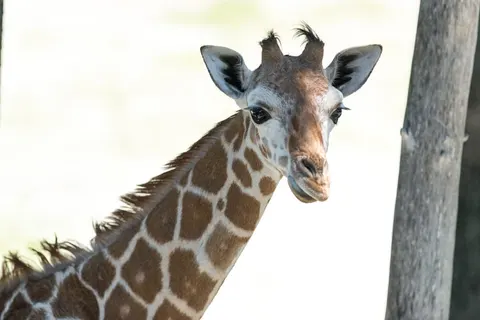
Why do giraffes have long necks? The textbook answer, reaching high leaves, is actually contested, and a rival idea says the neck is a weapon for male combat.

Why do dogs have wet noses? The moisture traps scent so they smell better and helps them cool off, and the cold tip can even sense a warm body's heat across a room.

Why do beavers build dams? To flood a deep pond that guards them from predators and keeps food reachable under winter ice. The trigger is a sound.

Why do dogs lick you? It's not just kisses. Licking is inherited affection, feel-good endorphins, a taste of salt on your skin, and a bid for attention.
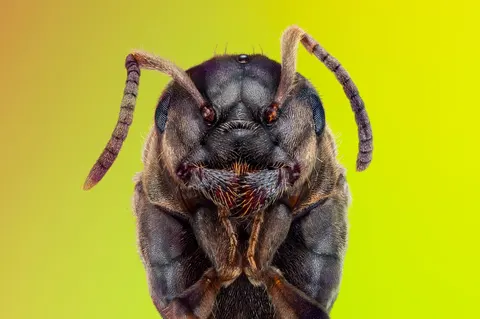
Do ants have brains? Yes, each ant has a real brain with tens of thousands of neurons. But the colony's true intelligence lives somewhere stranger.
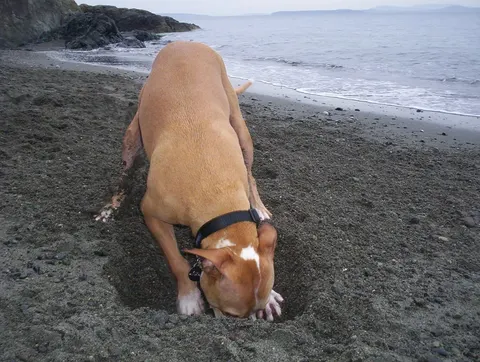
Why do dogs bury bones? It's an inherited caching instinct from wolf ancestors who hid surplus food for lean times. Pet dogs do it even when they're well fed.
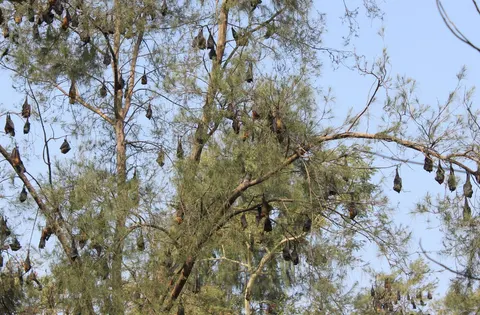
Why do bats hang upside down? They can't take off from the ground, so they roost high and drop into flight, and a tendon lock lets them hang for free.
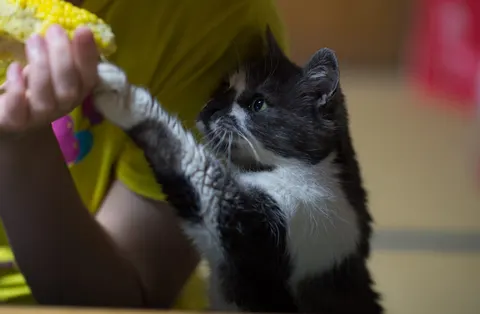
Why do cats knock things over? A mix of hunting instinct, paws built to test 'prey,' and the fact that it reliably gets your attention. It is not spite.
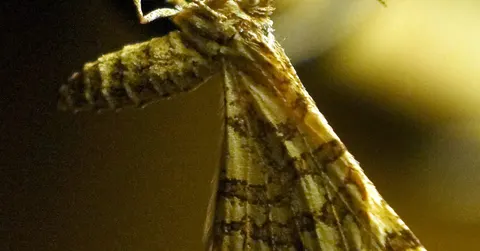
Why are moths attracted to light? Science still isn't sure. A 2024 study found they tilt their backs to the glow and get trapped circling it, not flying at it.
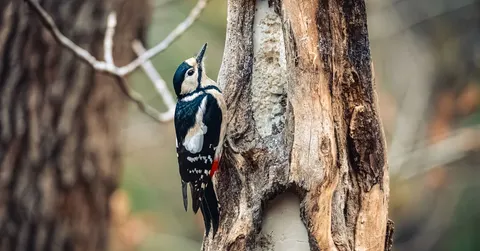
Why don't woodpeckers get headaches? Not from built-in shock absorbers. Their heads work like stiff hammers, and their tiny brains stay below the injury line.
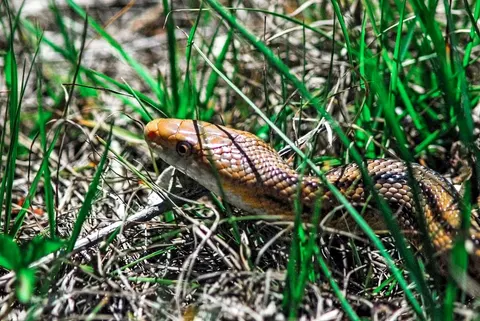
How do snakes move without legs? They push their flexible body against the ground and use directional belly scales, with four gaits for different terrain.
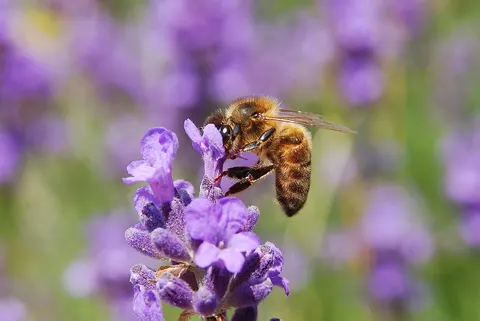
Why do bees die after they sting? A honey bee's barbed stinger lodges in your skin and tears loose with its guts, but the rule is narrower than you think.
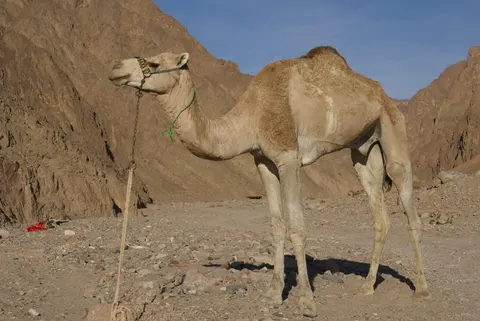
Why do camels have humps? To store fat, not water. The hump is an energy reserve that lets a camel survive long stretches without food in the desert.
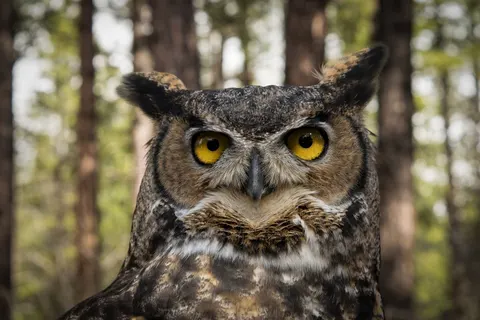
Why do owls hoot? To claim territory and attract a mate, where sound beats sight. Not every owl hoots, and the famous twit-twoo is two birds, not one.
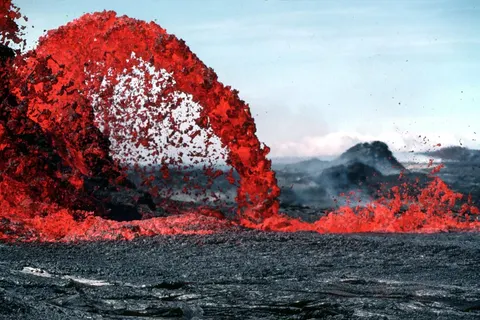
How do volcanoes erupt? Molten rock rises because it is light, and dissolved gas bursts out of it as the pressure drops, like a shaken can of soda.
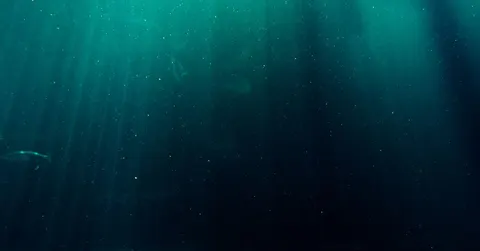
How dark is the bottom of the ocean? Below about 1,000 meters there is no sunlight at all, just permanent black, and that dark zone is most of the ocean.
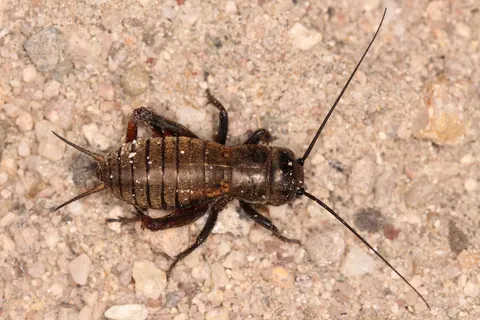
Why do crickets chirp? Male crickets rub their wings together, not their legs, to attract mates and warn off rivals, and the chirp rate tracks the temperature.
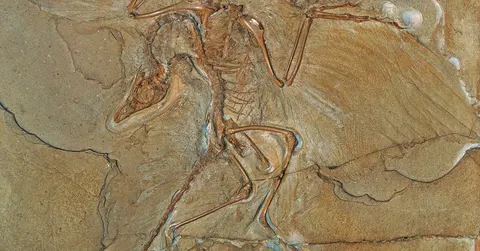
Did dinosaurs have feathers? Many did. Fossils since 1996 reveal fuzzy and fully feathered theropods, even a relative of T. rex. Birds are living dinosaurs.
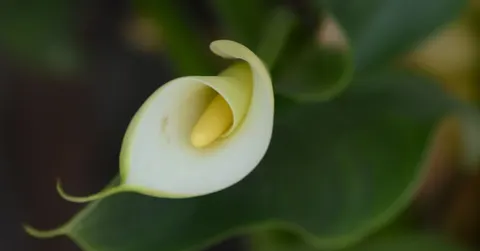
Why does the corpse flower smell so bad? It mimics rotting flesh with sulfur and amine chemicals, then heats itself to body temperature to broadcast the stench.
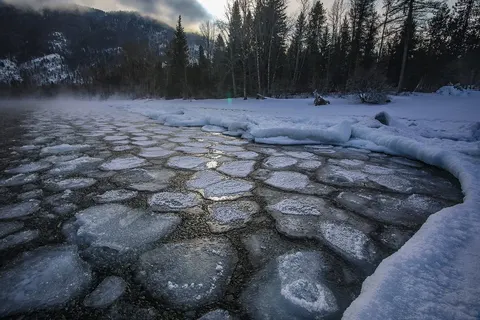
Why does ice float? Freezing locks water into an open crystal less dense than liquid, so lakes freeze top-down and life survives the winter.
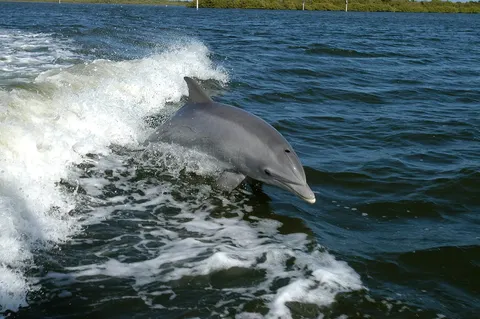
How do dolphins sleep without drowning? They shut down one half of the brain at a time, keeping the other half awake to surface, breathe, and watch for danger.
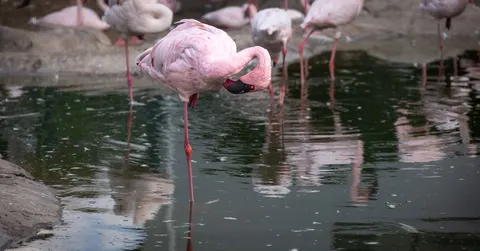
Why do flamingos stand on one leg? To stay warm in cold water, and because it takes almost no effort, a dead flamingo can balance on one leg.
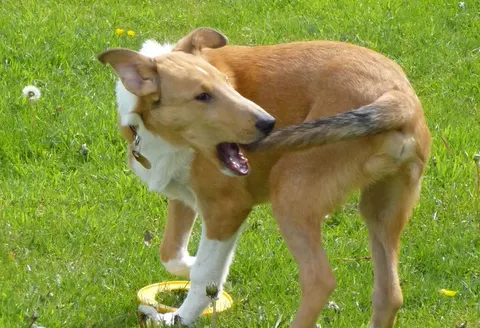
Why do dogs chase their tails? Usually it's play, boredom, or a puppy meeting its own body. But frequent, frantic spinning can signal an itch or a compulsion.
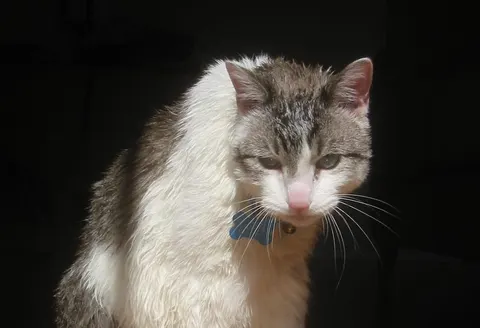
Why do cats hate water? Most descend from desert wildcats that never needed to swim, and wet fur turns heavy, cold, and slow to dry, leaving a cat exposed.
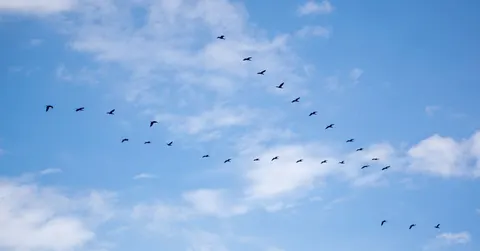
How do birds know where to migrate? With a stacked toolkit: an inherited direction, a sun compass, a star compass, a magnetic sense, landmarks, and smell.

Why do dogs wag their tails? It signals arousal, good or bad, not just joy, and they wag right when positive, left when wary. Wolves barely wag.
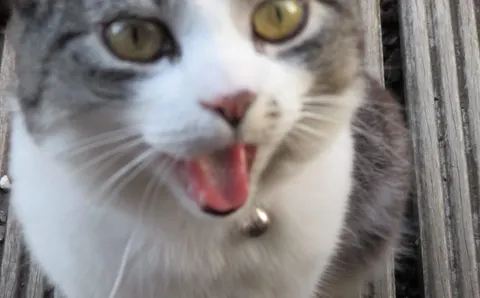
Why do cats meow? Mostly at humans, and almost never at other cats. The meow is a near-private language cats evolved to manage us. Here is what it means.

Why do dogs pant? It is their main way to cool down, because they barely sweat. Panting evaporates heat off the tongue and lungs. Here is when to worry.
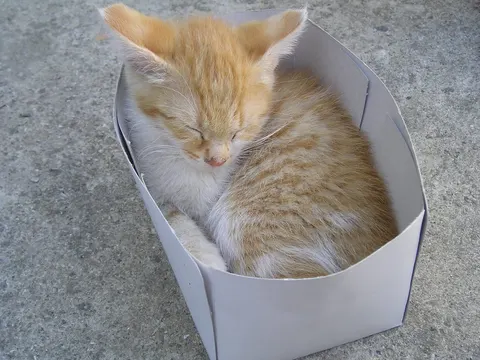
Why do cats like boxes? An enclosed space lowers stress and feels safe to a predator that is also prey. Cats will even sit in a square that looks like a box.
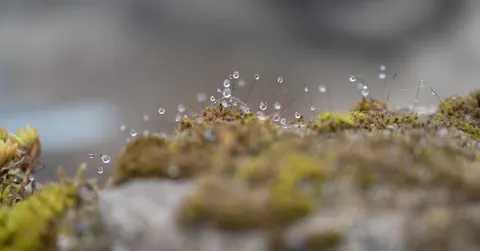
What do tardigrades eat? Most pierce plant, algae, and moss cells with needle-like stylets and sip the fluid; some hunt rotifers and nematodes.
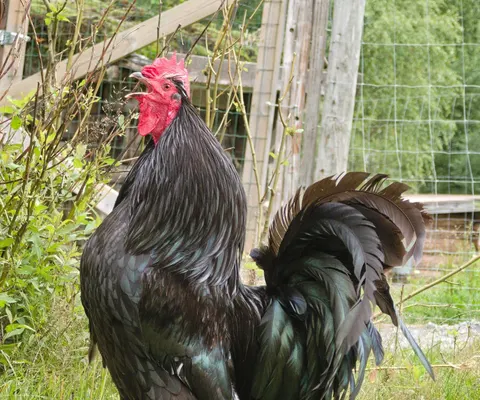
Why do roosters crow? Not to greet the sunrise. An internal body clock makes them crow before dawn, and a strict pecking order decides who gets to call first.
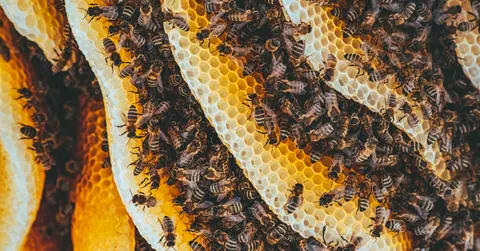
Why do bees make honey? It is a stored winter food the colony lives on when no flowers bloom. Here is how nectar becomes honey, and why a hive makes far extra.
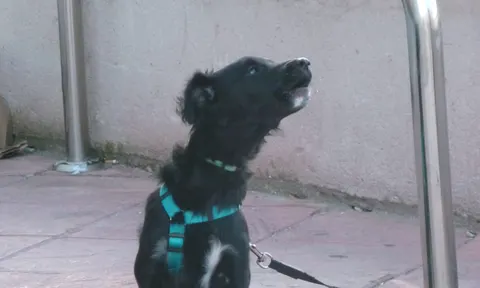
Why do dogs howl? It is long-distance communication inherited from wolves, a way of saying 'here I am.' Here is what your dog means, sirens included.
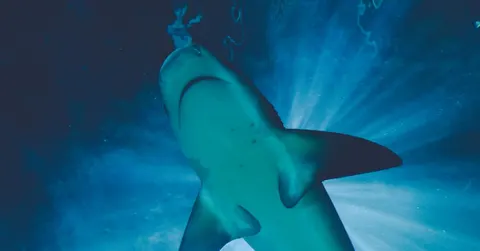
Do sharks sleep? Some do. A 2022 study caught draughtsboard sharks asleep by their metabolic rate, eyes open, most resting in bouts under ten minutes.
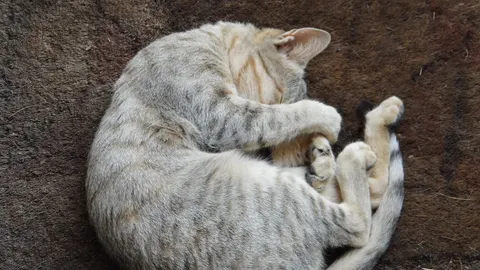
Why do cats sleep so much? Often 12 to 18 hours a day. They are ambush predators conserving energy between hunts, and most of that sleep is light dozing.
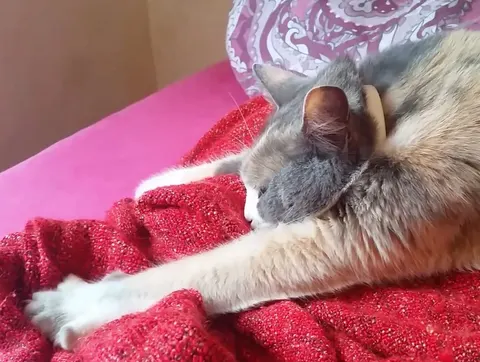
Why do cats knead? The rhythmic paw-pushing, or making biscuits, is a comfort habit left over from kittenhood, with a scent-marking twist. Here is the science.

Why do dogs eat grass? It is usually normal, not a sign of illness. The science points to an inherited instinct, and most dogs do not vomit afterward at all.
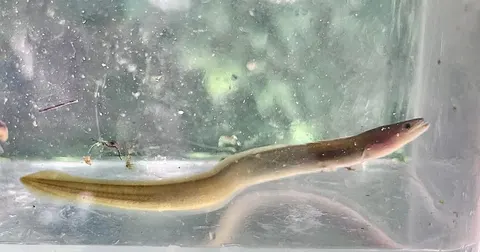
How do eels reproduce? They spawn once in the Sargasso Sea, then die, and no one has ever seen it. Inside the 2,000-year hunt, from Aristotle to a 2022 study.
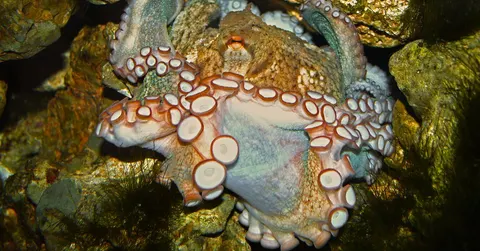
How do octopuses change color? Pigment sacs, mirror cells, and a colorblind brain that matches hues it can't see, all in under a third of a second.
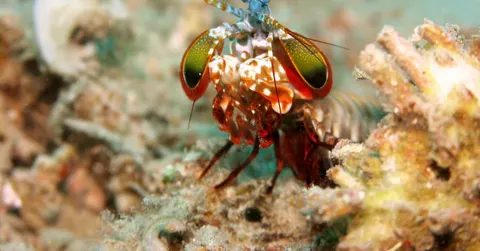
How hard does a mantis shrimp punch? Up to 1,500 newtons at 23 m/s, with cavitation bubbles that flash light and deliver a second hit. The physics, explained.
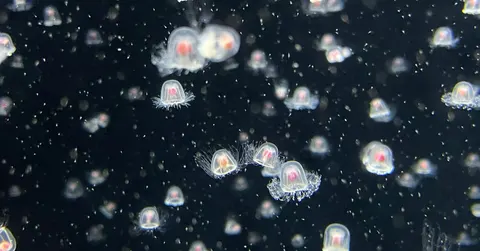
The immortal jellyfish, Turritopsis dohrnii, rewinds its own body from adult back to a baby polyp. Here is how that escape from old age actually works.
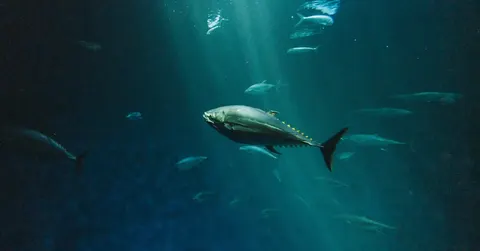
Why deep sea pressure doesn't crush fish comes down to water, not air, and a molecule that sets a hard chemical limit on how deep any fish can go.
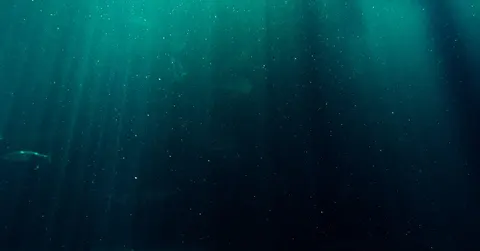
Would the deep sea crush you flat? Not the way movies show it. Here is what nearly 16,000 psi would really do to an unprotected human body, and why.
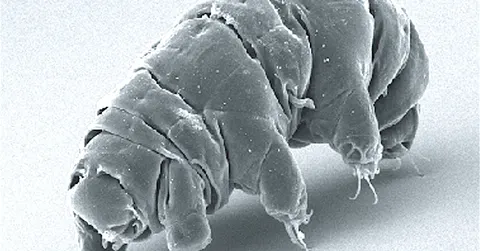
How do tardigrades survive space, boiling, freezing, and radiation? These microscopic 'water bears' have a survival trick that borders on the miraculous.
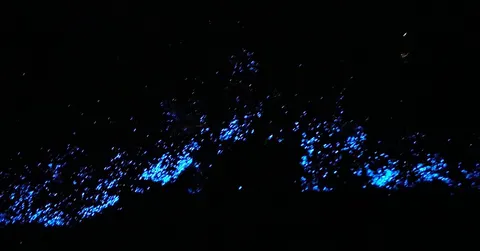
Why do sea creatures glow? Bioluminescence, living light from a chemical reaction, fills the deep ocean for hunting, hiding, and luring. Here's how it works.
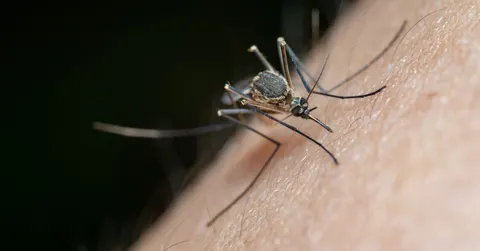
Why does scratching an itch feel good? Scratching makes a little pain, and your spinal cord drops the itch to deal with it. Then your midbrain pays you.

Why do we get brain freeze? Cold hits the roof of your mouth, blood vessels lurch, and nerves report the pain to your forehead instead. Here is the evidence.

Why do we sneeze? A trigeminal-nerve reflex fires a fast blast of air to clear irritants from your nose. Plus the speed myth and sun sneezes.
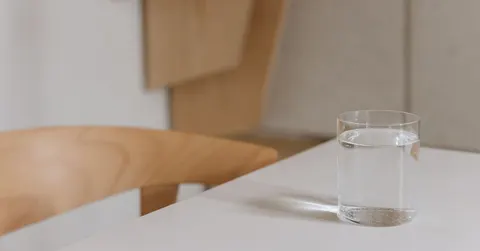
Why do we get hiccups? A sudden diaphragm spasm yanks in air, then your vocal cords slam shut in about 35 milliseconds. That snap is the hic. Here's why.
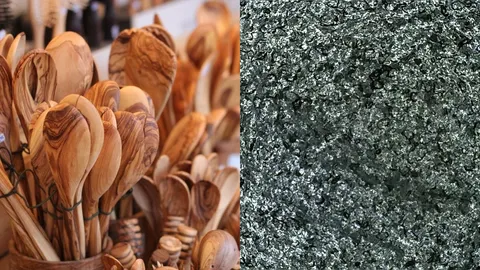
Why does metal feel colder than wood? Your skin senses heat flow, not temperature, and metal pulls heat from your hand far faster than wood does.
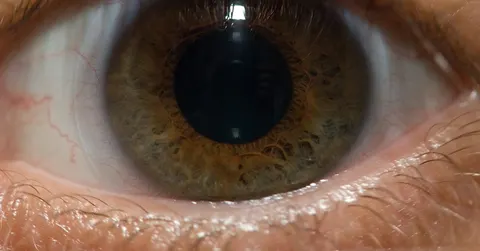
Why do people have different eye colors? It comes down to one brown pigment, melanin, plus a trick of light. Blue eyes have little melanin in the front layer, while green and hazel mix pigment with structure.
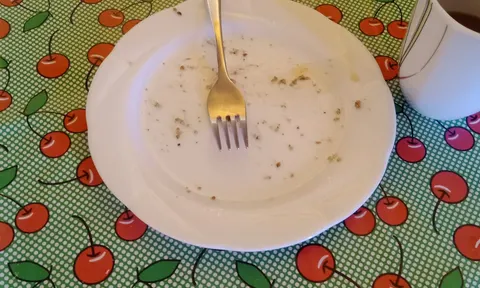
Why do our stomachs growl? It's the sound of muscles pushing food, fluid, and gas through your gut, called borborygmi. It's just louder when the tract is empty.
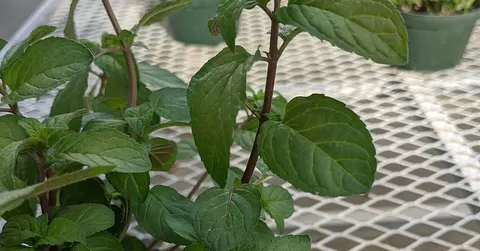
Why does mint feel cold? Menthol hijacks TRPM8, the same nerve receptor that detects real cold, so your brain feels a chill that never actually happened.
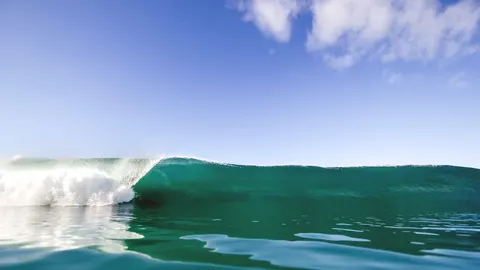
Why does the ocean have waves? Mostly wind, dragging across the surface and handing its energy to the water. The strange part: waves move energy, not water.

Why does time go faster as you get older? Three explanations: the proportional theory, novelty and memory encoding, and Adrian Bejan's mind-time hypothesis.

Why are some people left-handed? About 1 in 10 of us are. It's set before birth by many small-effect genes and chance, tied to how the brain divides its labor.

Why do we blink? To spread tears that keep the eye moist and clean. But we blink far more than that needs, and the extra blinks seem to punctuate how we think.
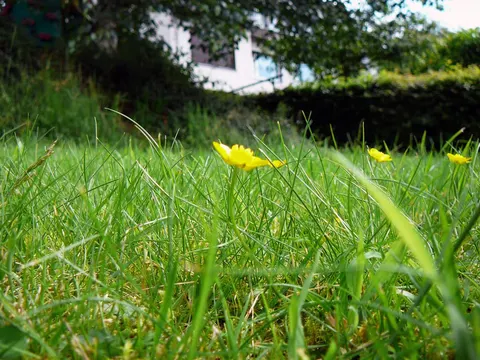
Why is grass green? Chlorophyll absorbs red and blue light to power photosynthesis and reflects green to your eyes. The deeper question is why it isn't black.

Why do veins look blue? Your blood is always red. Veins look blue because skin absorbs red light and scatters the rest back to your eyes. The real reason.
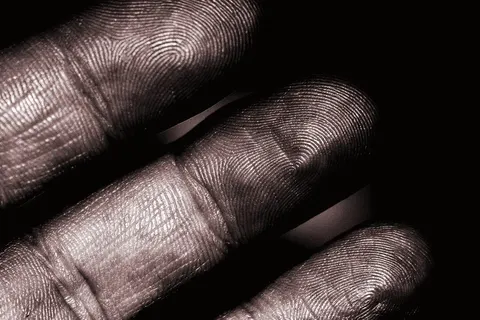
Why do we have fingerprints? They form in the womb as skin buckles into ridges, unique to you. What they are actually for is still a genuine scientific debate.

Why do we yawn, and why is it catching? It's not about oxygen, that's a myth. The leading ideas are brain cooling and shifting alertness, still unsettled.

Why do we have belly buttons? Your navel is the scar left where the umbilical cord once fed you. Whether it is an innie or an outie is not the doctor's doing.
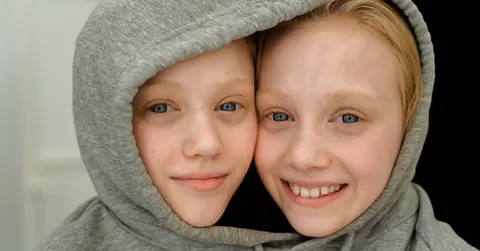
Do twins have the same DNA? Identical twins come close but never quite match. They differ by about 5.2 early mutations, and a lab can now tell them apart.
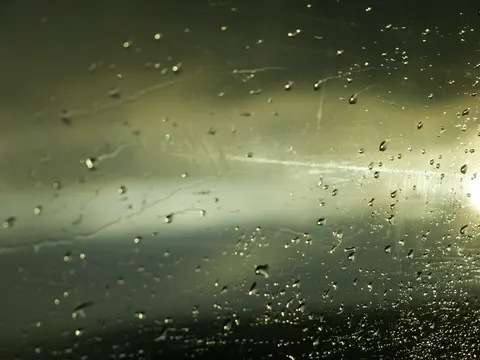
Why does it rain? Water evaporates, rises, and cools into droplets around specks of dust, then they collide and grow until heavy enough to fall.
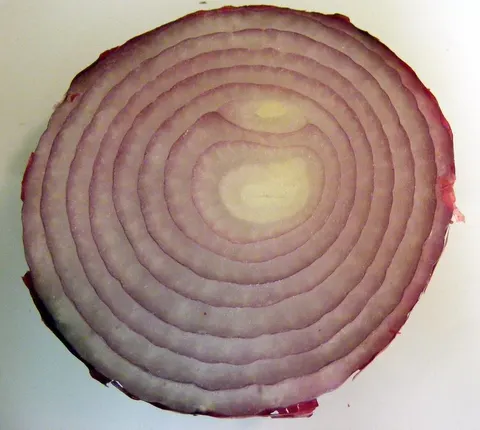
Why do onions make you cry? Cutting one triggers a two-enzyme reaction releasing a gas that turns to mild sulfuric acid on your eyes. Plus the fix.
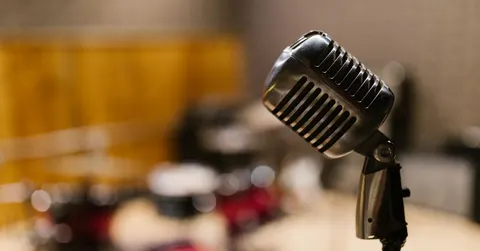
Why does your voice sound different on a recording? You hear it through your skull bones, which add deep tones. A recording catches only the air-borne version.
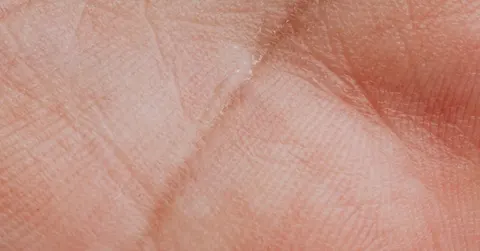
Do identical twins have the same fingerprints? No. They share every gene but not the womb's fine print, so even a fingerprint scanner can tell them apart.
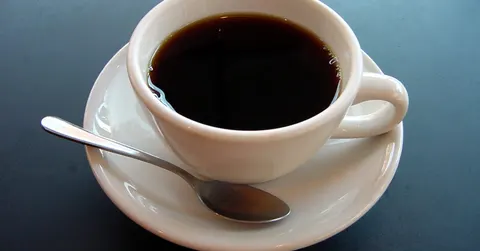
Why does coffee make you poop? Within minutes it triggers gut hormones and a colon reflex. And decaf does it too, so it isn't just the caffeine.

Why do songs get stuck in your head? The science of earworms: the song features that trigger them, why they loop, and research-backed ways to make them stop.

Cute aggression is the urge to squeeze or playfully bite adorable things. A Yale team named it in 2013; 2018 brain scans found the cause. Here's the science.

Why do we see faces in things like outlets and car grilles? It's your brain's face detector running hot, and the science goes deeper than you'd think.
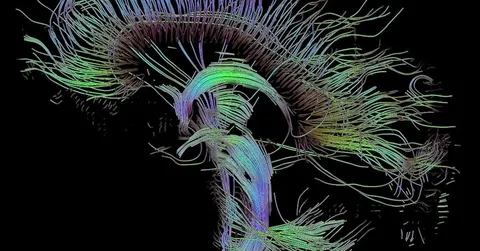
Why can't you tickle yourself? Your cerebellum predicts your own touch and cancels the sensation before it registers. Here's the weird science behind it.

Why do we dream? Science has several leading theories, from memory sorting to emotional processing to threat rehearsal. Here's what we really know about dreams.
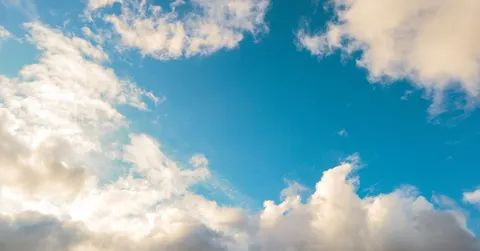
Why is the sky blue? The real answer is a story about sunlight, tiny air molecules, and a trick of physics called Rayleigh scattering, explained simply.
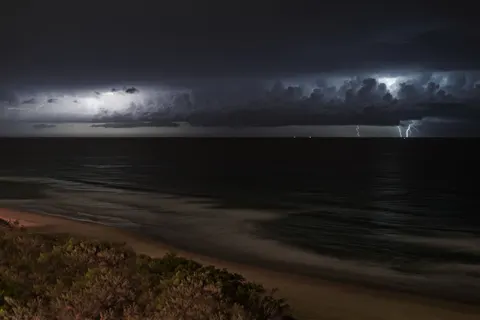
What happens when lightning strikes the ocean? The charge spreads across the surface instead of sinking, so fish below are fine. The real danger is your boat.
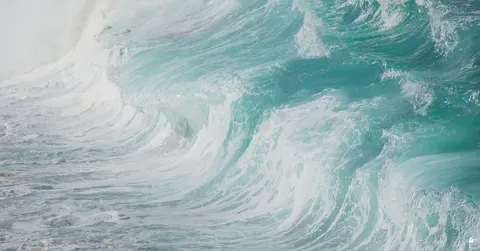
What causes a tsunami? A sudden vertical shift of the seafloor, usually a large undersea earthquake, shoves the whole water column and sends out a wave.
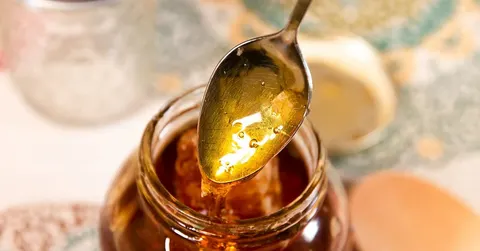
Why does honey never spoil? Its low water, high sugar, acidity, and a bee enzyme make it a place where microbes simply cannot survive. Here is the science.
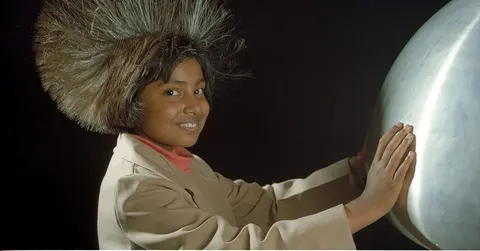
How does static electricity work? It is a buildup of electric charge, often involving electrons moving between surfaces. The shock, the cling, and the lightning explained.

How do caves form? Slightly acidic groundwater quietly dissolves limestone over thousands to millions of years, hollowing out rooms and growing stalactites.

Why does popcorn pop? Each kernel is a sealed pressure cooker. Heat turns its water to steam, pressure climbs to about 9 atmospheres, and the hull bursts.

How do airplanes fly? A wing throws air downward and the air pushes the wing up. Here is the real physics of lift, the four forces, and the myth NASA debunks.

Why is snow white when ice is clear? A snowbank scatters every color of light back at you in equal amounts, and that even mix is the white your eye reports.

Why does salt melt ice? Dissolved salt ions crowd out water molecules trying to rejoin the ice crystal, dropping the freezing point below 0 C so it melts.

How do glow sticks work? Snapping one breaks a glass vial inside, mixing two chemicals that release their energy as light, not heat, like a firefly's cold glow.

Why does pasta water boil over? Starch from the pasta turns the steam bubbles into a sticky foam that traps steam and climbs the pot until it spills.
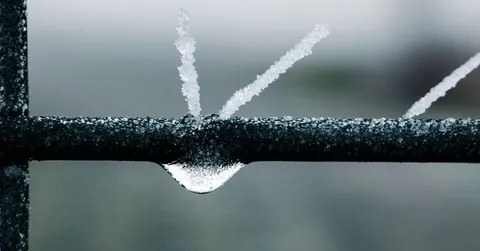
Why does your tongue stick to cold metal? Metal pulls heat from your wet tongue so fast the saliva freezes into ice, gluing tongue to pole. Here's how to free it.
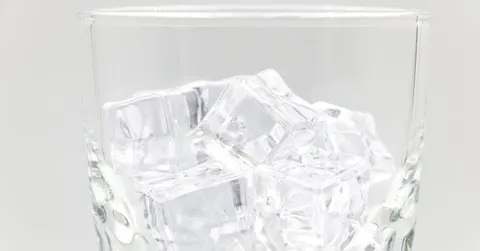
Why does ice crack when you put it in water? Thermal shock. The outer layer warms and expands while the cold core stays put, and brittle ice splits.
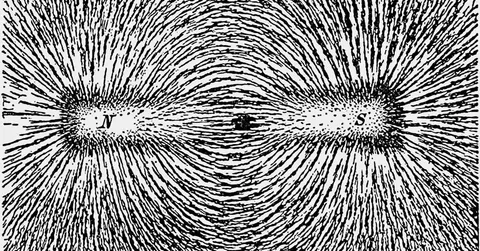
How do magnets work? Magnetism comes from moving electric charge and electron spin, lined up across regions of iron. The real, slightly strange answer.
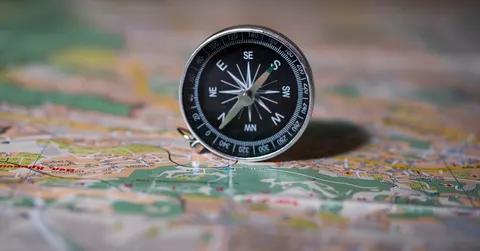
How does a compass work? A magnetized needle lines up with Earth's magnetic field, pointing not to true north but to a magnetic pole that's drifting toward Siberia.
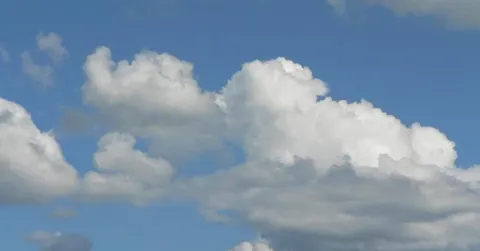
How much does a cloud weigh? A small cumulus holds about 1.1 million pounds of water, the weight of 100 elephants, yet it floats. Here is the math and why.