
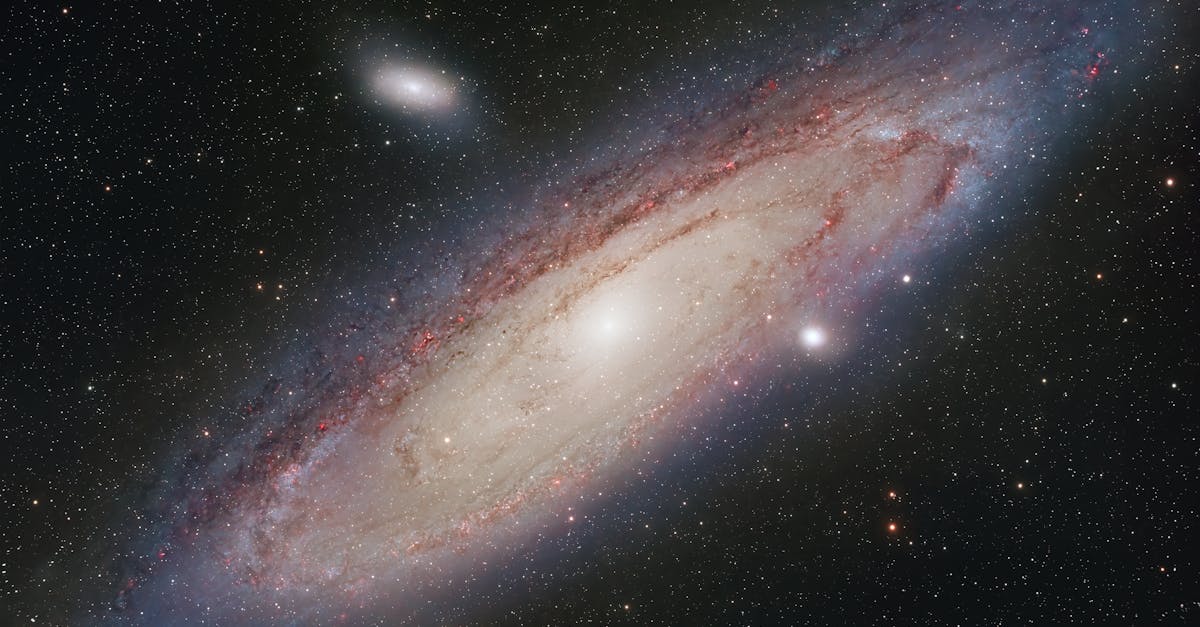
Space & Cosmos
How Big Is the Universe? (And Does It Have an Edge?)
How big is the universe? The observable universe spans 93 billion light-years, but the whole thing may be infinite. Here's what 'size' even means in space.
A library of wonder. Clear, joyful answers to the questions you've always meant to look up, about space, life on Earth, and the science of you.
Every path starts with a question people actually search for.
Black holes, stars, planets, and the scale of everything.
For the questions that make the room feel bigger.How big is the universe? The observable universe spans 93 billion light-years, but the whole thing may be infinite. Here's what 'size' even means in space.
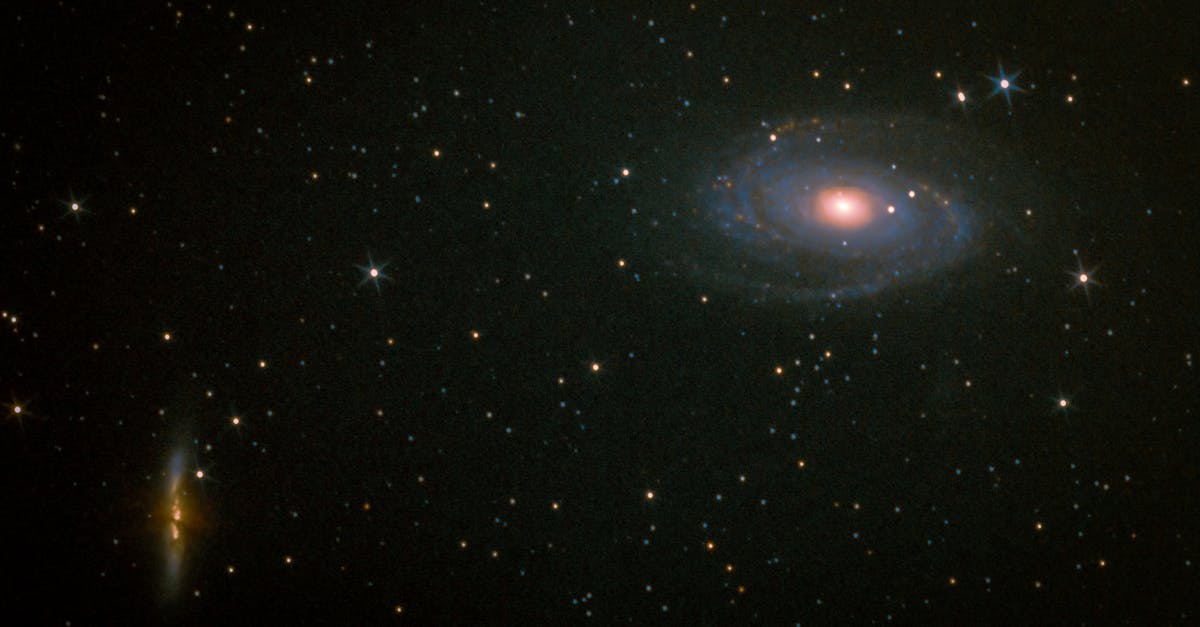
How do black holes die? Through Hawking radiation, they slowly evaporate over almost unimaginable spans of time. Here's how the universe's darkest objects end.
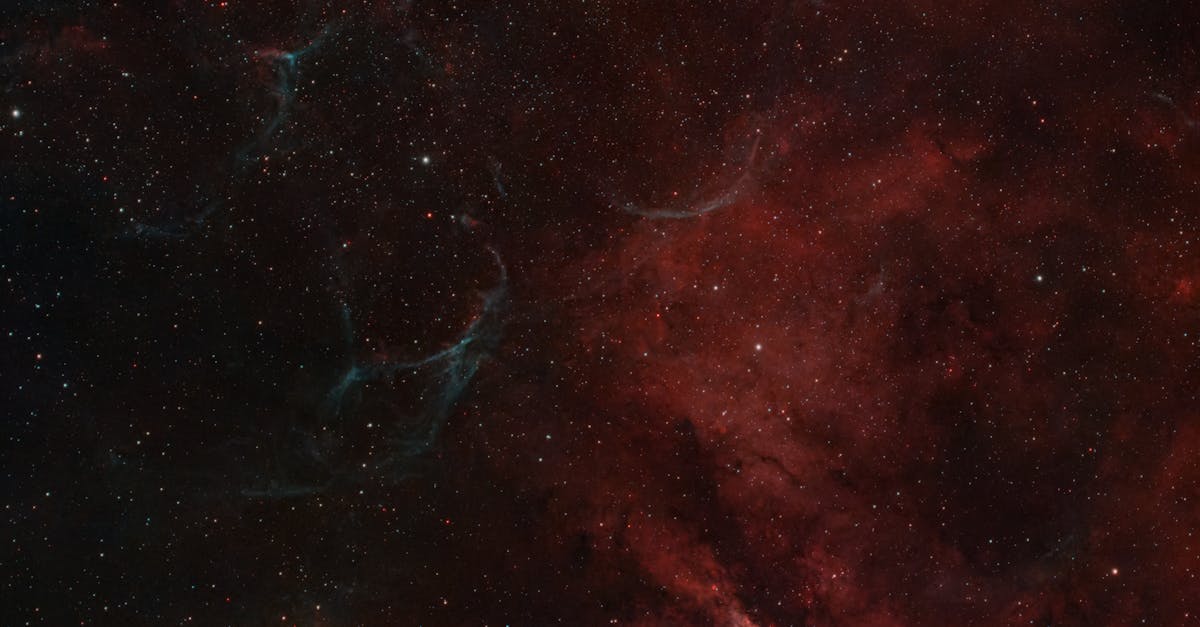
What happens when the sun dies? In about 5 billion years it will swell into a red giant, swallow the inner planets, and fade into a white dwarf. Here's the timeline.
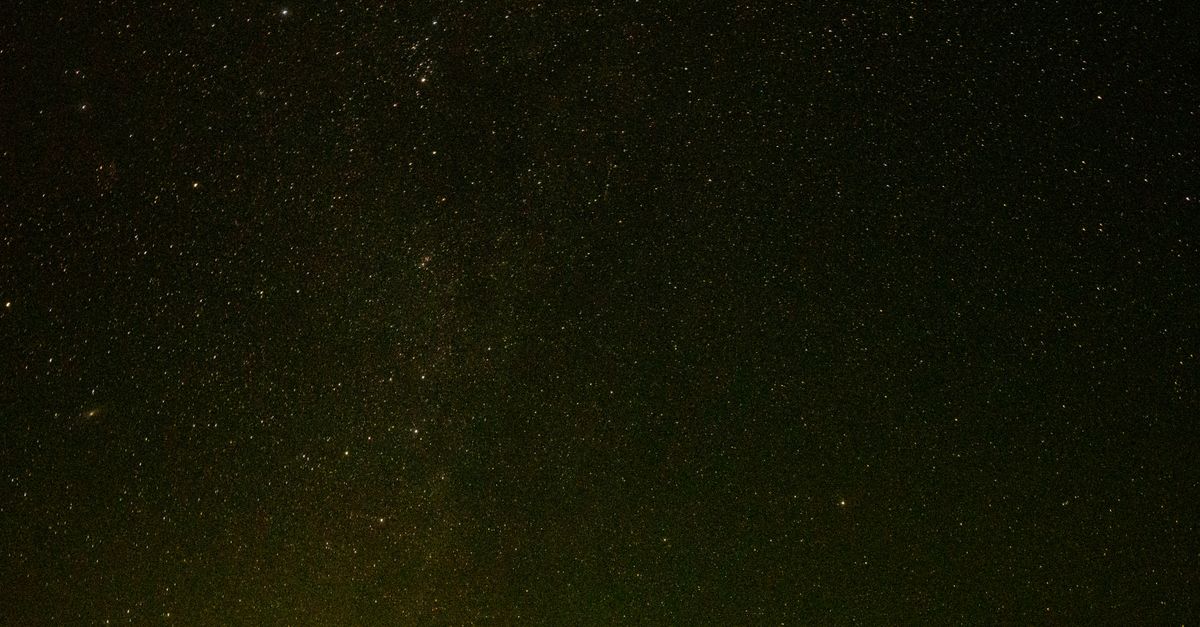
Why do stars twinkle while planets shine steadily? The answer is our turbulent atmosphere bending starlight, and a surprising trick of distance and size.
Ocean extremes, animal abilities, and evolution's stranger moves.
For nature's cleverest and most unlikely tricks.
Would the deep sea crush you flat? Not the way movies show it. Here is what nearly 16,000 psi would really do to an unprotected human body, and why.

How deep is the ocean? The deepest point plunges nearly 7 miles down. Here's what the journey looks like, and the astonishing life waiting in the dark.

How do tardigrades survive space, boiling, freezing, and radiation? These microscopic 'water bears' have a survival trick that borders on the miraculous.
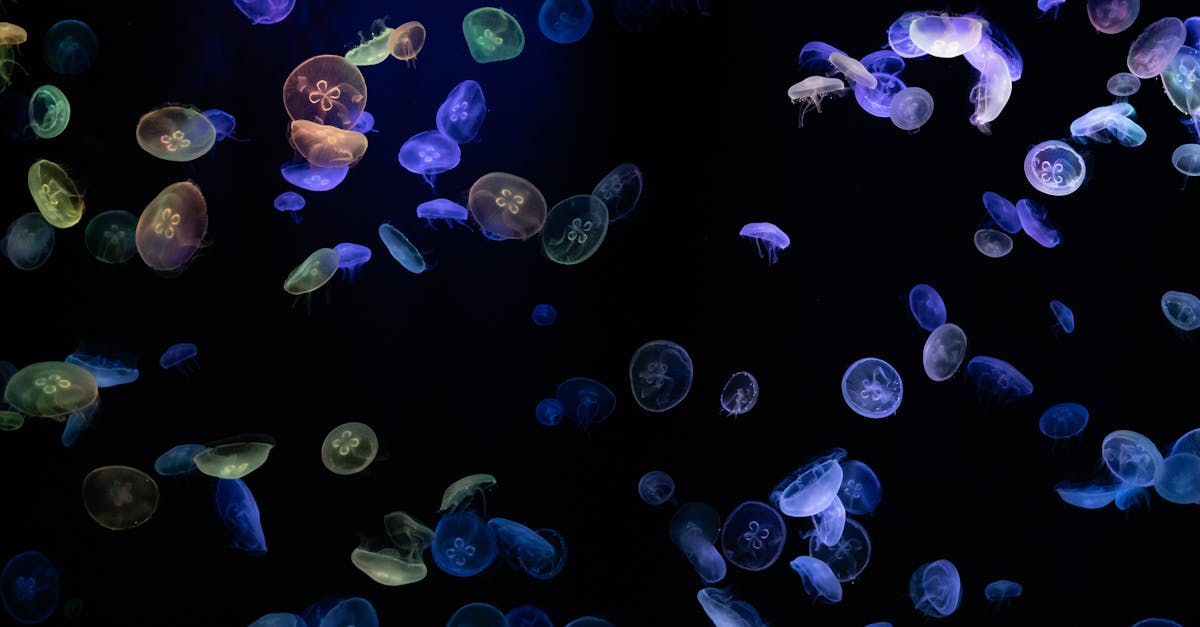
Why do sea creatures glow? Bioluminescence, living light made by a chemical reaction, lights up the deep ocean for hunting, hiding, and luring. Here's how it works.
Brains, bodies, perception, and everyday physics.
For the odd machinery behind ordinary life.
What causes déjà vu, that strange sense you've lived this moment before? Leading brain science points to a memory 'misfire.' Here's the most likely explanation.

Why do we dream? Science has several leading theories, from memory sorting to emotional processing to threat rehearsal. Here's what we really know about dreams.

Why is the sky blue? The real answer is a story about sunlight, tiny air molecules, and a trick of physics called Rayleigh scattering, explained simply.
Send it over. The best article ideas sound simple at first, then open into something much bigger.