
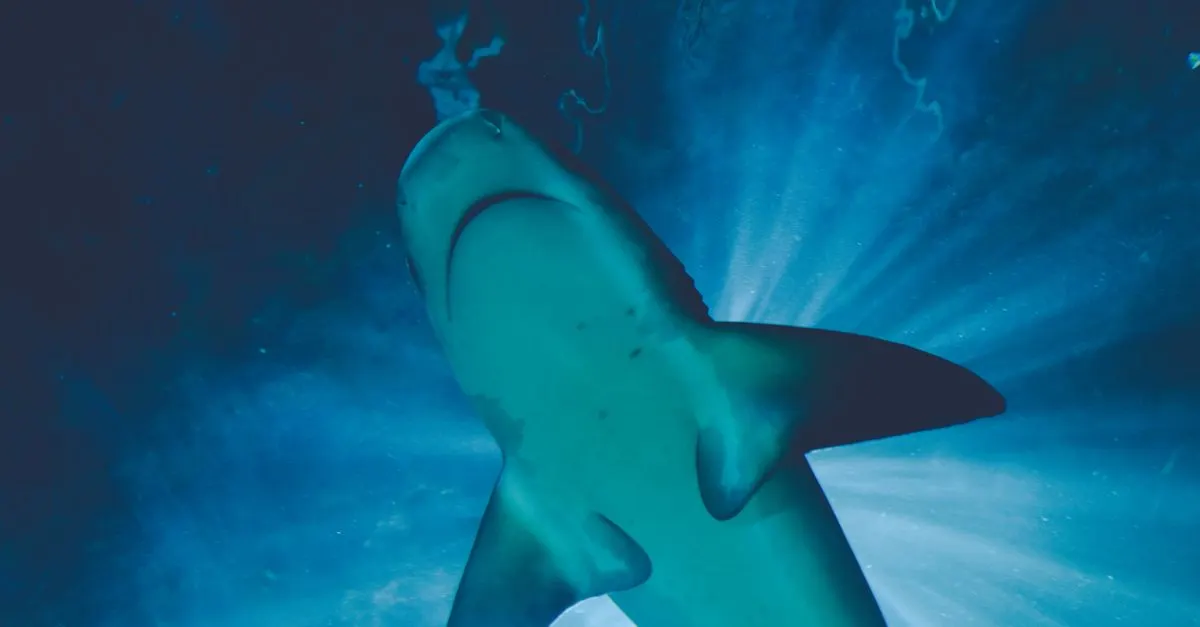
Off Isla Mujeres, in caves below the Caribbean, divers in the early 1970s found something that should not have been possible: reef sharks lying motionless on the cave floor, jaws open, not moving a muscle. Sharks were supposed to drown if they stopped swimming. These ones were resting like they owned the place. The Mexican diver Ramon Bravo filmed them, the biologist Eugenie Clark came to study them, and the site earned a name that stuck: the Cave of the Sleeping Sharks. There was just one problem with the name. So, do sharks sleep, or don't they?
At least some do, and we only proved it in 2022
For a long time the honest answer was "probably, but we can't show it." That changed when a team led by Michael Kelly watched draughtsboard sharks around the clock and measured how much oxygen they burned. When a shark went still for more than five minutes, its metabolic rate dropped sharply and its body flattened against the bottom. That metabolic drop is the fingerprint of true sleep rather than quiet rest, and it was the first physiological evidence that any shark sleeps (Biology Letters). So yes. But whether a given shark can sleep, and what that even looks like, comes down almost entirely to how it breathes.
How a shark breathes decides whether it can ever stop
A shark breathes by passing oxygen-rich water over its gills, and there are two ways to make that happen. Some sharks use ram ventilation: they swim with their mouths open and let forward motion push water through. Great whites, makos, whale sharks, and hammerheads do this, and for them the old rule mostly holds. Stop swimming and the water stops flowing, so these really are the sharks that can't park on the seafloor and rest (Save Our Seas Foundation).
The rest use buccal pumping. Muscles in the cheeks draw water in and push it over the gills, no swimming required. Nurse sharks, whitetip reef sharks, lemon sharks, Port Jackson sharks, and wobbegongs can all lie still and breathe, which is exactly what the Isla Mujeres sharks were doing. Many bottom-dwellers also have spiracles, small openings behind the eyes that pull in clean water even when the mouth is buried in sand. A few, like tiger and sand tiger sharks, switch between both methods depending on how fast they're going. The "swim or die" line, it turns out, was only ever true for a fraction of sharks.
What the draughtsboard sharks actually did
Kelly's team collected seven draughtsboard sharks from New Zealand's Hauraki Gulf and put them in tanks rigged to measure oxygen use minute by minute (Phys.org). Three states emerged. Swimming burned the most energy. Quiet wakefulness burned less. And sleep, marked by that five-minute stillness and a flat, recumbent posture, burned the least of all. The point of sleep, for these animals, was the body banking fuel.
The surprise was the eyes. We picture a sleeping animal with its eyes shut, but roughly 38 percent of the sharks that were clearly asleep at night kept their eyes open (Biology Letters). Eye closure tracked the lights in the room more than the sleep state itself. A shark's eyelids were never the tell. Its metabolism was.
Most sharks sleep in snatches, not stretches
Out of more than 500 shark species, only about 30 have ever been caught showing sleep-like behavior, and only a handful, including nurse, draughtsboard, and Port Jackson sharks, tick enough boxes to call it sleep with confidence (Save Our Seas Foundation). And the ones we've watched don't sleep in long blocks the way you do. They take it in bouts of under ten minutes, scattered through the day and night.
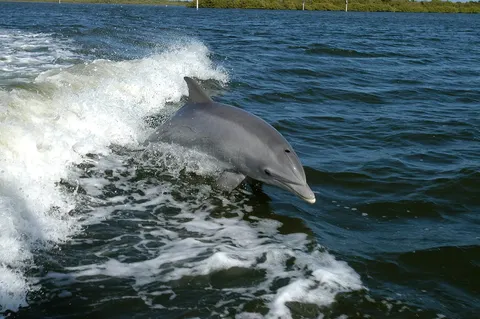
Even the obligate swimmers may get their own version of rest. Dolphins solve the same problem by sleeping one brain half at a time, keeping the other half awake to surface and breathe. Whether ram-ventilating sharks pull off anything similar, dozing while the body keeps a steady swimming rhythm, is still an open question, and with an animal that never holds still it's brutally hard to test. The way fish pull oxygen from water in the first place is the whole reason the question gets this tangled.
Back to the cave, and what Eugenie Clark noticed
Here's the twist the postcard name leaves out. When Clark studied the Isla Mujeres sharks up close, she saw that their eyes followed the divers around the cave even while their bodies lay perfectly still. They weren't unconscious. They were awake, and resting (Eugenie Clark's observations). The caves sit in an upwelling of unusually oxygen-rich, less salty water, and the leading idea is that the easier breathing, plus the way that brackish flow loosens the parasites clinging to their gills, lets the sharks idle there in a kind of trance, comfortable enough to stop swimming without ever falling asleep.
So the Cave of the Sleeping Sharks may never have held a single sleeping shark. The real proof of shark sleep arrived fifty years later, in a New Zealand lab, from a small spotted bottom-dweller most people have never heard of, lying flat in the dark with its eyes open, burning a little less fuel. We spent centuries certain that sharks couldn't sleep because they couldn't stop moving. Half of them stop all the time. We were just never measuring the right thing.
Keep wondering: rest underwater takes strange forms, from how dolphins sleep with half a brain to how fish breathe underwater in the first place, all the way down into how deep the ocean really goes.


Join the conversation
Comments are reviewed before they appear. Be kind and stay curious.
Loading comments…