
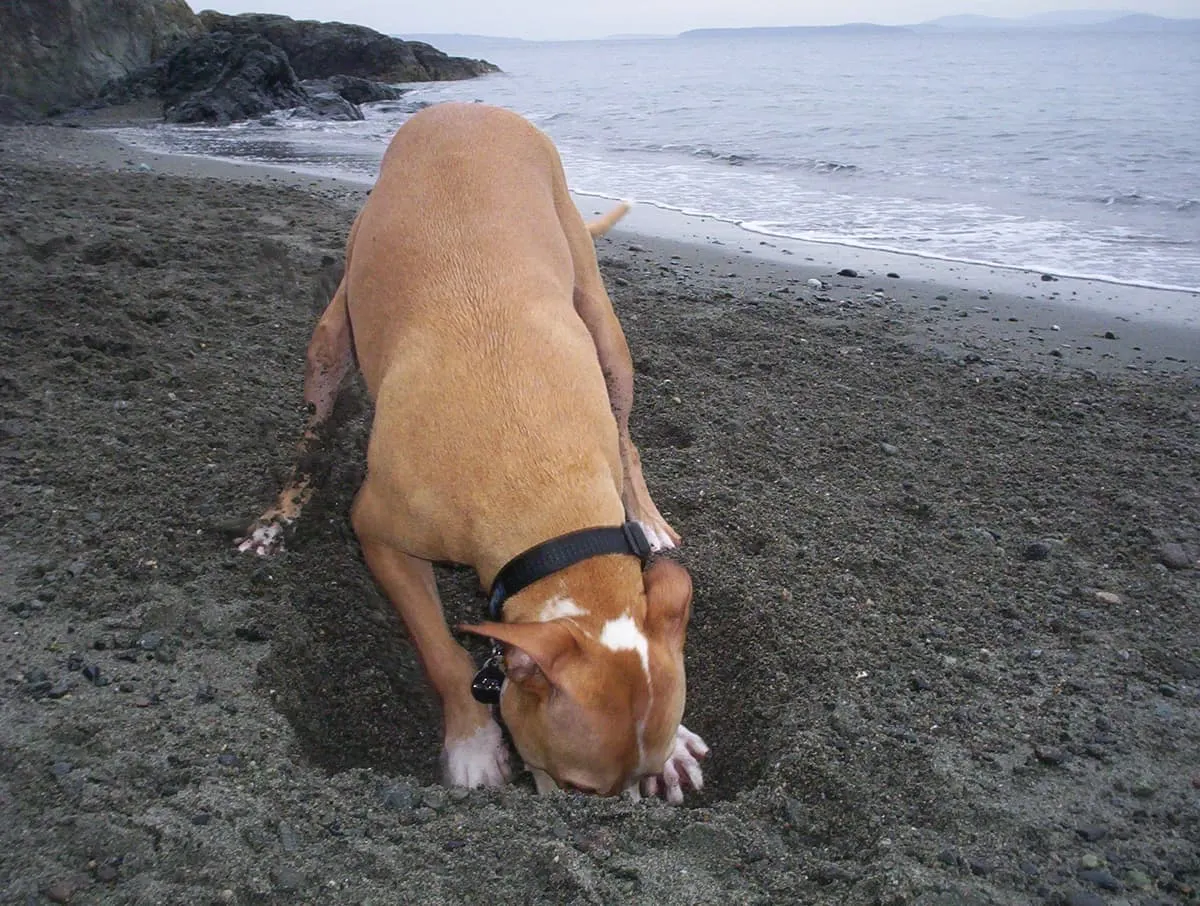
Your dog has never missed a meal in its life. The bowl fills up on schedule, the treats are endless, and the nearest predator is a vacuum cleaner. And yet, give it a good bone and there is a decent chance it will carry the thing into the yard, dig a hole, and bury it like buried treasure. Why go to the trouble?
An inheritance from the wolf
Why do dogs bury bones? The honest answer is that your dog is running software written long before your dog existed. Burying food is a behavior called caching, and it comes straight from the wild canids your pet descends from, including the gray wolf (American Kennel Club). Wolves lived on a feast-or-famine schedule: a big kill, then maybe days with nothing. So when there was more meat than they could eat, they buried the surplus to hide it from scavengers and rivals and to save it for the lean stretch ahead (VCA Animal Hospitals). As one trainer sums it up, "the reason why a dog buries something is to save it for later" (Live Science).
The soil did more than hide the food. Cool earth a little way down acts like a rough refrigerator, keeping buried meat from spoiling as fast in the sun (VCA Animal Hospitals). A wolf burying a bone was not just hiding it. It was filing it in cold storage.
Why a pampered dog still does it
Domestication changed the dog's diet completely and barely touched this instinct. Pet dogs that will never go hungry still bury things, because the urge runs on ancient wiring rather than on actual need (American Kennel Club). It is the same kind of inherited blueprint that has a beaver reaching for mud and sticks, the drive that explains why beavers build dams without ever being taught. One behavior consultant describes caching as the dog version of a habit we would recognize: "caching is like putting something in a pantry, closet, or safe for humans" (PetMD). Your dog is just keeping its valuables somewhere safe.
That is also why the "burying" so often happens nowhere near a garden. Indoors, a dog will shove a prized toy under a blanket, tuck a chew behind the couch cushions, or nose a treat under the pillow, the same program looking for soft ground. Dogs bred to dig and hunt, like terriers, tend to do it most, but almost any dog can surprise you with a treasure hidden in the laundry (Live Science).
So the next time you find a bone planted in the flowerbed or a biscuit smuggled into the sofa, you are not watching a quirk. You are watching a wolf hide food from a pack that disbanded thousands of years ago, performed by an animal that has never once needed to. The hunger is gone. The instinct never got the message.
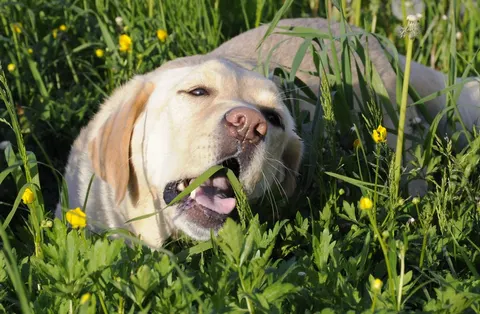
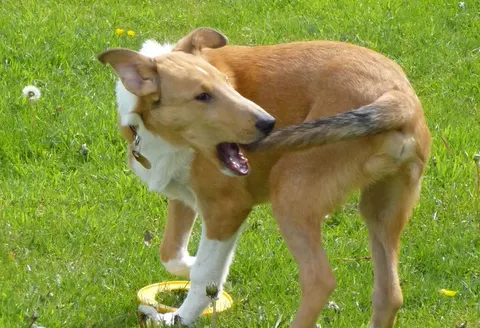
Keep wondering: dogs are full of these inherited leftovers, like why a dog eats grass, why one chases its own tail, and the ancient call behind why dogs howl.
Join the conversation
Comments are reviewed before they appear. Be kind and stay curious.
Loading comments…