
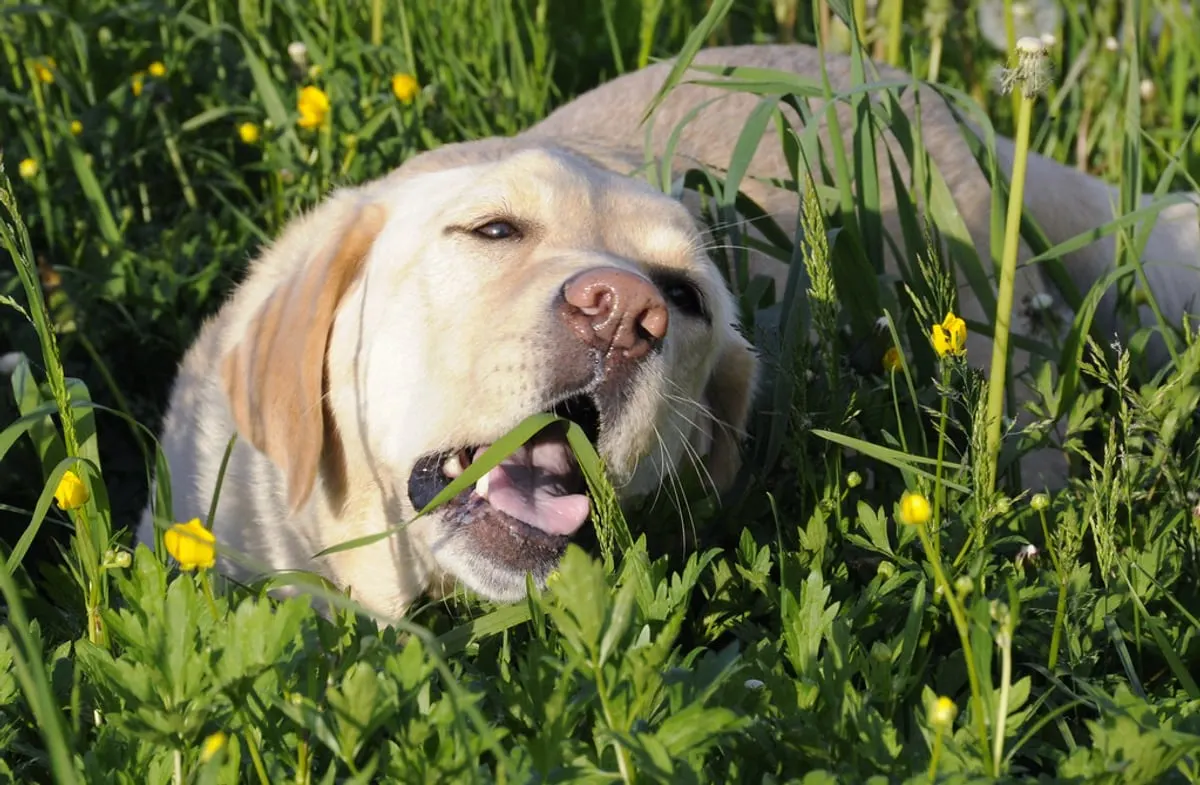
Your dog drops their head mid-walk, rips up a mouthful of lawn, and chews it like a snack. The usual reaction is mild panic: is the dog sick, is something wrong, are they trying to throw up? Almost always, no. Grass eating looks strange to us, but for a dog it is closer to a normal habit than a symptom. But why do dogs eat grass, if not because they are sick? The real reason is far less alarming, and more interesting, than the myth everyone repeats.
The short answer: it is normal, and it is old
The biggest study of this behavior comes from the University of California, Davis, where Karen Sueda, Benjamin Hart, and Kelly Cliff surveyed dog owners about what their pets ate and why. In their largest survey of 1,571 owners, 68% said their dog ate grass on a daily or weekly basis (Applied Animal Behaviour Science). Eating plants was not the exception. It was the rule.
Their conclusion was blunt: grass eating is a normal behavior of healthy dogs, not a sign of illness and not evidence of a missing nutrient. It shows up in well-fed dogs on complete diets, and it most likely reflects an instinct inherited from their wild ancestors rather than anything wrong in the moment.
The myth that will not die
Ask around and most people will tell you the same thing: dogs eat grass to make themselves vomit when their stomach is upset. It sounds sensible. It is also almost certainly wrong.
In the UC Davis data, only about 9% of dogs showed signs of illness before they ate grass, and only around 22% vomited afterward (Applied Animal Behaviour Science). If grass were a deliberate cure for nausea, you would expect sick-looking dogs to eat the most and vomiting to follow most of the time. Neither holds up.
The detail that really breaks the theory is age. Younger dogs eat grass the most often, yet they are the least likely to look ill beforehand or to vomit afterward. A puppy is not self-medicating. It is doing the thing dogs simply do.
So what is really going on
The best-supported explanation is evolutionary. Benjamin Hart, one of the study's authors, has long argued that grass eating is a behavior carried over from wild canids like wolves. In the wild, swallowing fibrous plant matter can help purge intestinal parasites: the grass speeds up the movement of the gut and helps sweep worms out with the stool. A wolf that instinctively ate grass would carry a lighter parasite load and leave more puppies behind.
Your dog on the sofa almost certainly does not have those worms. But the instinct does not switch off just because the parasites are gone. The behavior outlived the reason for it, which is why a healthy, dewormed, well-fed dog still goes for the lawn.
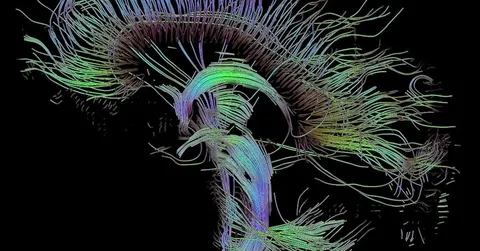
That same pattern of inherited, automatic behavior shows up all over the animal kingdom, and even in your own body, in reflexes you never chose and cannot switch off, like the one behind why you cannot tickle yourself.
The everyday reasons on top
Instinct sets the baseline, but a few ordinary things nudge a dog toward grass on any given day. Dr. Jerry Klein, the American Kennel Club's chief veterinary officer, points to several (American Kennel Club):
- Taste and texture. Fresh, cool, damp grass is pleasant to chew. Some dogs just like it.
- Fiber. Grass adds roughage, which can help the gut keep things moving.
- Boredom. A dog left alone in a yard with nothing to do will graze the way a bored person raids the fridge.
- An occasional sour stomach. Now and then a dog with a buildup of bile may eat grass and bring it back up, which is where the myth comes from. It just is not the main event.
None of these is the deep cause. They are the small daily reasons layered on top of an old instinct, which is why grass eating is so universal among dogs and so hard to pin on any single trigger.
When it is worth a closer look
Normal does not mean ignore it completely. A few situations deserve attention. A sudden, sharp jump in grass eating, especially alongside repeated vomiting, diarrhea, lethargy, a drop in appetite, or weight loss, can signal a real problem and is worth a call to the vet.
The grass itself can also be the hazard. Lawns treated with herbicides or pesticides can be toxic, and grass fouled by other animals' droppings can carry intestinal parasites, the very thing the instinct evolved to fight. Keep your dog off treated or unfamiliar lawns, and the habit stays as harmless as it looks.
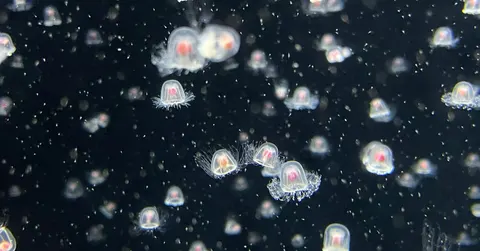
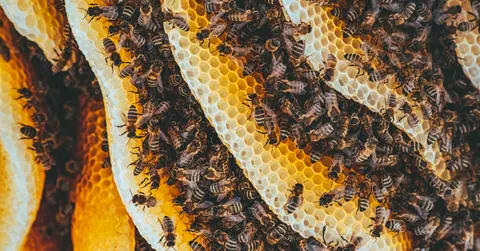
Keep wondering: dogs are full of inherited behavior that no longer has a job to do, the same way cats knead with their paws long after they have left the milk bar, and bees build honey on a schedule older than any hive you will ever see, and nature hides even stranger holdovers, like the creatures in is there an immortal animal. For more on how animals actually work, wander through Life on Earth.
Join the conversation
Comments are reviewed before they appear. Be kind and stay curious.
Loading comments…