
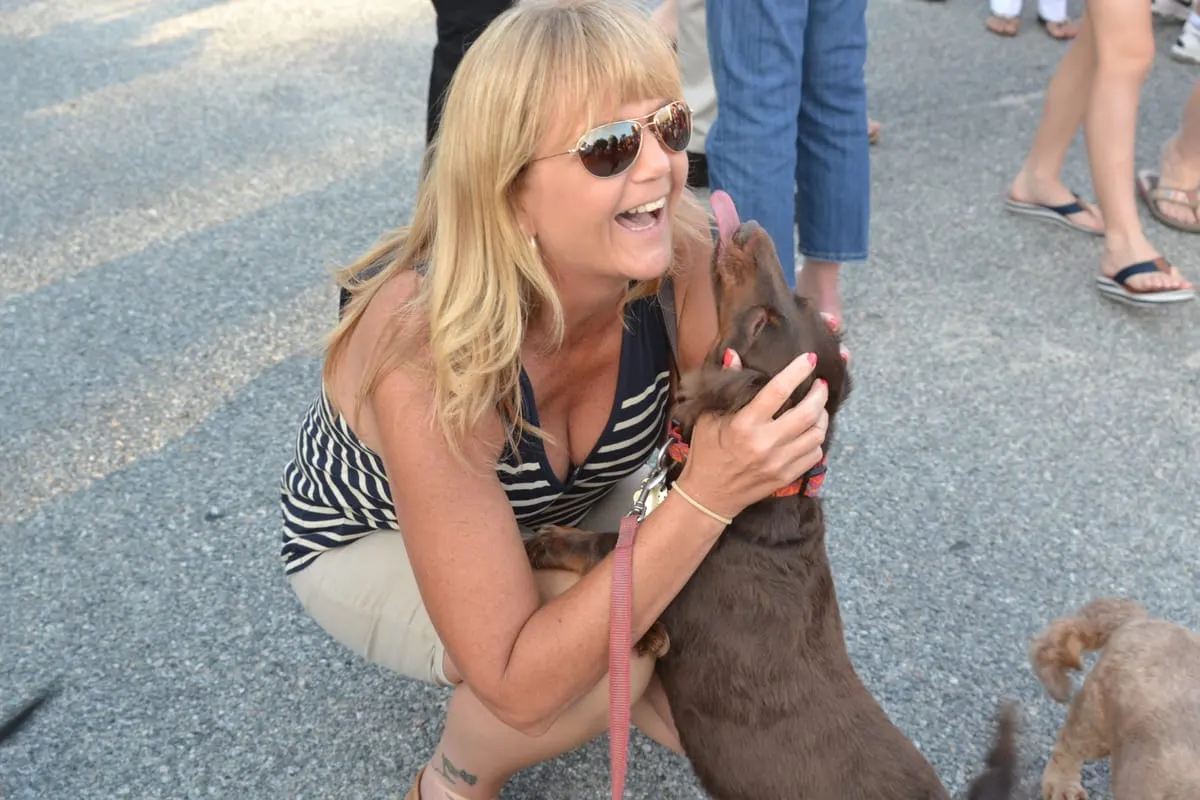
Your dog greets you at the door and the tongue comes out before anything else. We call them kisses, and it's a lovely story. The real one is bigger: a single lick is carrying half a dozen different messages at once, and most of them have nothing to do with romance.
It's a whole sentence, not a kiss
So why do dogs lick you? Because licking is one of the most useful tools a dog has, and it does several jobs at the same time. It's inherited affection and bonding, it's a hit of feel-good chemistry for the dog, it's a taste of the salt and scent on your skin, and it's a reliable way to get your attention. Reading it as just "kisses" misses how much your dog is actually saying.
The habit is older than your dog, older than dogs themselves. To understand the lick on your hand, you have to start in the litter.
It starts in the litter
A mother dog licks her newborn puppies constantly, to clean them, get their blood flowing, and prompt them to urinate and defecate, and that early licking is also how she bonds with them (VCA Animal Hospitals). Puppies learn fast that a tongue means care and closeness. They also lick upward, at their mother's face and mouth, and in wild canids that has a very specific purpose. As the canine expert Stanley Coren explains, "wild canines have a well-developed regurgitation reflex and the puppies lick their mother's face and lips to cause her to vomit up some food," and over time that practical act "shifts from being a utilitarian and useful act to becoming a ritualized gesture of affection" (Psychology Today).
So when your dog licks your face, it's running a program written in the den. The lick that once asked a mother for dinner has become a greeting, a bond, and a hello.
It feels good to do
There's a chemical reward driving it, too. When a dog licks, its brain releases endorphins, which calm and comfort the animal, followed by dopamine tied to pleasure (VCA Animal Hospitals). In other words, licking is partly self-soothing. A dog that licks you when it's stressed, or just settling down next to you, is doing something that genuinely makes it feel better. The behavior rewards itself, which is exactly why it sticks.
You taste like information
Then there's the plain fact that you are delicious and informative. Human skin is faintly salty, especially after a sweat, and dogs are drawn to the taste (American Kennel Club). More than that, your hands and face are a logbook of where you've been and what you've touched. A dog leans far more on smell and taste than we do to read the world, so a few licks tell it about your day in a language we don't have (PetMD). And once a dog notices that licking makes you laugh, talk, or push it away, it has learned a guaranteed way to summon your attention. Even being told off is a response, and to a bored dog a response is a reward.
And no, it is not a disinfectant
One thing licking is not is medicine. The comfortable old belief that a dog's mouth is cleaner than a human's, or that dog saliva is antiseptic and helps wounds heal, has been thoroughly debunked (Hill's Pet Nutrition). Dog saliva can carry bacteria and parasites, and the bacterium Capnocytophaga, common and harmless in dogs' mouths, can in rare cases cause serious infection in people if it gets into a wound, especially in someone with a weakened immune system (CDC). For a healthy person a friendly lick on the hand is no crisis, but it's worth keeping that tongue away from open cuts, your eyes, and your mouth.
It's also worth knowing when a lick stops being a greeting and becomes a signal. Licking that turns frequent, frantic, or fixed on one spot can point to anxiety, or to pain, itch, or nausea, and that's a conversation for your vet rather than a cute habit (PetMD).
Put all of it together and the door-greeting lick looks less like a kiss and more like a paragraph. There's affection in it, and comfort, and curiosity, and a small, shameless request for your time. Your dog isn't just saying it loves you. It's saying hello, where have you been, you taste like outside, pay attention to me, and I feel better now, all in one swipe of the tongue. Kisses are simpler. This is better.
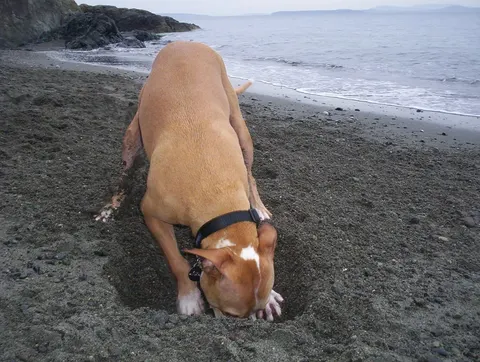
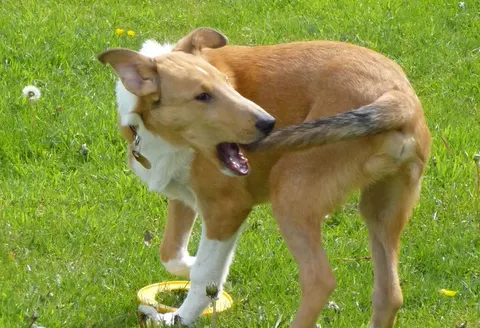
Keep wondering: dogs are full of inherited habits we misread, like why a dog buries bones it will never need, why one chases its own tail, and the wolfish call behind why dogs howl.

Join the conversation
Comments are reviewed before they appear. Be kind and stay curious.
Loading comments…