
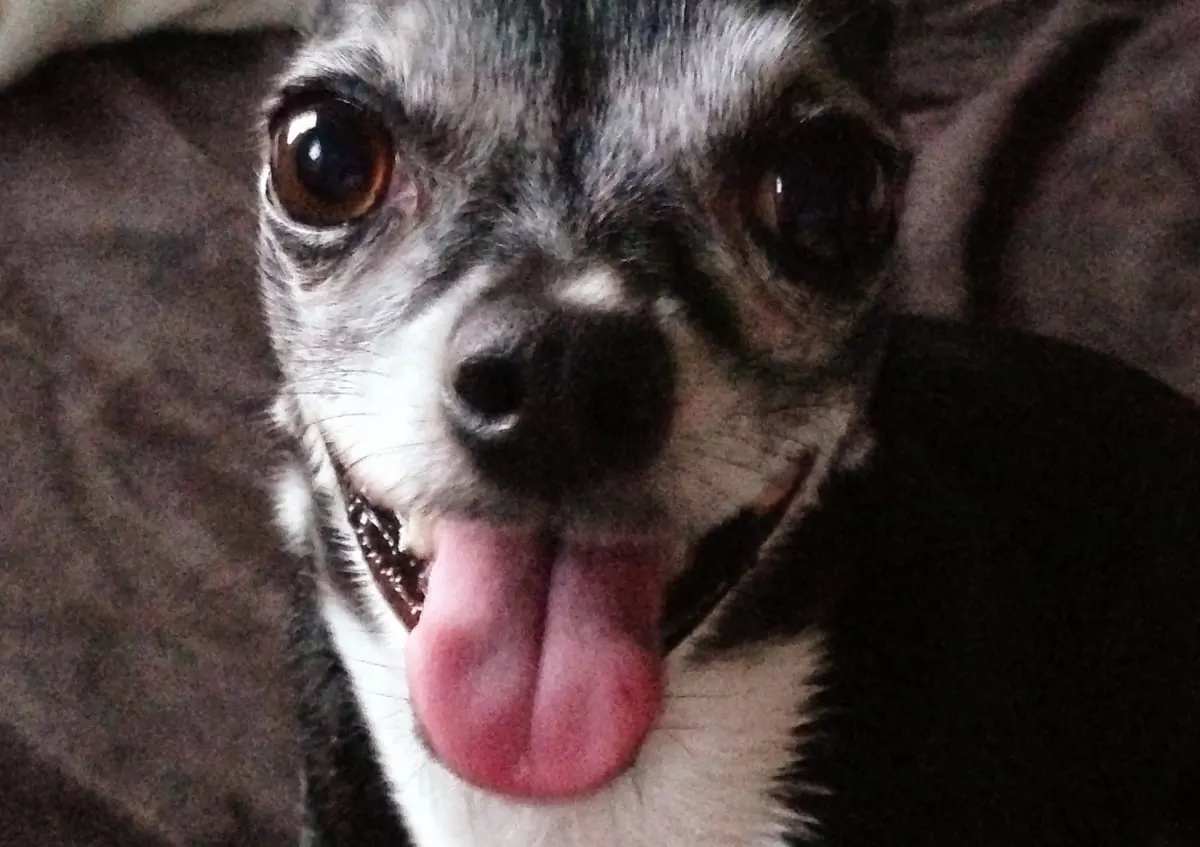
Your dog races around the yard, flops down beside you, and lets its tongue loll out, chest pumping like a little bellows. It can look like your dog is gasping or in distress. Almost always, it is the opposite: panting is a dog working perfectly, running its built-in air conditioning. Why do dogs pant instead of sweating it out? It comes down to one thing they cannot do nearly as well as we can.
The short answer: dogs barely sweat
People dump heat by sweating across almost the whole body. Dogs cannot. They have working sweat glands only in their paw pads, which is why you might spot damp paw prints on a hot floor (American Kennel Club). Everywhere else, a coat of fur would trap the moisture and stop it evaporating, so sweating there would do nothing. The cool, damp nose is part of the same balancing act, one thread in why a dog's nose stays wet. With that exit closed, a dog needs another way to shed heat. That way is panting.
How panting actually cools a dog
Panting is evaporative cooling, the same physics that makes you feel cold stepping out of a pool. When a dog pants, it pulls fast, shallow breaths across the wet surfaces of its tongue, nose, and the lining of its lungs. As that moisture evaporates, it carries heat away with it (American Kennel Club). A dog will also widen the blood vessels in its ears and face, bringing hot blood close to the surface to cool before it loops back inside.
So the lolling tongue is not a sign of struggle. It is more surface area, more wet skin exposed to moving air, a bigger radiator. A dog that just sprinted is doing exactly what its body is built to do, the same kind of quiet, automatic machinery behind why dogs howl.
When it is not about heat
Cooling is the main job, but it is not the only reason a dog pants. Dogs also pant when they are excited or nervous, with panting picking up during car rides, vet visits, thunderstorms, or meeting new people (Yalesville Veterinary Hospital). A burst of exercise brings it on for obvious reasons. And because dogs tend to hide discomfort, extra panting can quietly flag pain, an injury, or feeling unwell. Reading it means reading the situation: a hot afternoon and a happy dog is one thing, a cool, quiet room and a panting dog is another.
When panting is an emergency
Normal panting eases off once a dog rests and cools down. Panting that will not settle is the warning sign. If a dog keeps panting hard after leaving the heat and stopping exercise, it may be sliding into heat stroke, which is a genuine emergency. Watch for dry or sticky gums, an abnormal gum color (pale, bluish, or bright red), drooling, weakness, disorientation, or collapse (VCA Animal Hospitals).
Flat-faced breeds like pugs, boxers, and bulldogs are especially at risk, because their squashed airways make panting far less effective, and they can overheat on a day that barely bothers other dogs. If you suspect heat stroke, cool your dog with cool, not ice-cold, water and get to a vet right away. The same goes for sudden, unexplained panting at rest, which deserves a check even when the weather is fine.
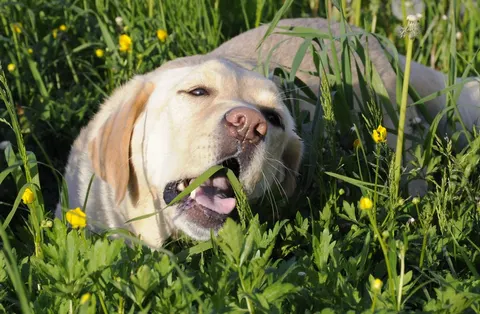
Keep wondering: panting is one of the automatic systems a dog runs without thinking, alongside the urge to howl, the instinct behind eating grass, and the dizzy habit of chasing its own tail. Cats have their own hidden machinery, like the comfort behind why cats knead. More at Life on Earth.

Join the conversation
Comments are reviewed before they appear. Be kind and stay curious.
Loading comments…