
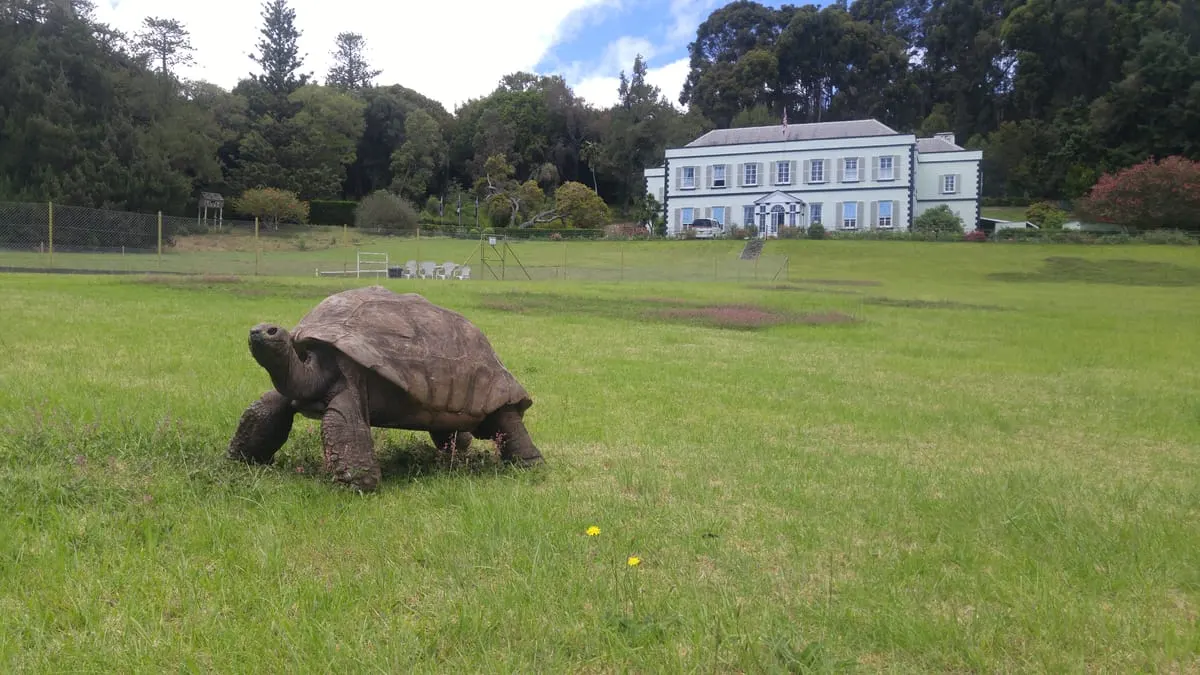
Jonathan the tortoise was alive before the telephone, before the light bulb, before the American Civil War. He is somewhere north of 190 years old, still grazing on a lawn on the island of St Helena, and he is not even unusual for his kind, just unusually well documented. Turtles and tortoises routinely outlive the humans who raise them. The question is how.
A slow life is a long life
So why do turtles live so long? Part of the answer is pace. Turtles live slow, low-energy lives, with sluggish metabolisms and, in most species, bodies that don't burn energy to stay warm. They grow slowly, mature late, and generally take it easy, and a body that runs gently tends to accumulate damage slowly (Britannica). Slow living buys a turtle a century, but it is nowhere near the longest-living animal of all. Where a mouse burns hot and fast and is old within two years, a tortoise idles, and the years pile up without the usual wear.
But a slow metabolism alone doesn't explain a 190-year life. For that, two more pieces matter, and one of them is genuinely strange.
The shell bought them deep time
The first is the obvious feature: the shell. As armor, it keeps a tortoise from being eaten, which clearly helps any individual live longer. But the deeper effect is evolutionary. When an animal is rarely killed by predators, evolution tends to favor a long, slow life, because a body that can keep going for decades gets to keep reproducing. The biologist Beth Reinke, who led a major study of reptile aging, put it plainly: "these various protective mechanisms can reduce animals' mortality rates because they're not getting eaten by other animals. Thus, they're more likely to live longer" (Penn State University). The shell didn't just save individual turtles. Over millions of years, it nudged the whole lineage toward longevity.
Some of them barely age at all
Here's the strange piece. In 2022, two large studies in the journal Science found that many turtles and tortoises show something called negligible senescence: they age so slowly that, in some species, their risk of dying barely rises as they get older (Science). For us, the odds of dying climb steadily with each decade past middle age. For these animals, that climb almost flattens out. As the study's co-author David Miller explained it, "negligible aging means that if an animal's chance of dying in a year is 1% at age 10, if it is alive at 100 years, its chance of dying is still 1%" (Penn State University).
It's worth being precise, because this is where the myths grow. Negligible senescence is not immortality. These turtles still die, from disease, injury, predators, and bad luck, and some turtle species do age normally (Science). The finding isn't that they can't die. It's that they don't seem to fall apart with age the way we do. Time passes; the body mostly doesn't keep score.
Which brings us back to Jonathan, chewing grass on his lawn, recognized by Guinness World Records as the oldest known land animal alive (Smithsonian Magazine). He has outlasted nearly two centuries of human history not by cheating death, but by aging so gently that the years have barely touched him. Slow body, strong shell, and a clock that runs at a crawl: that's the recipe for a life that long.
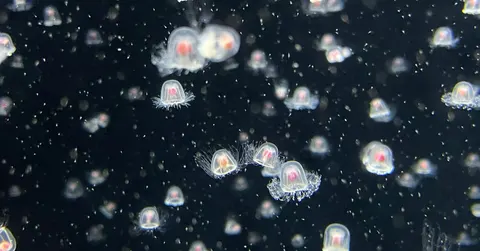
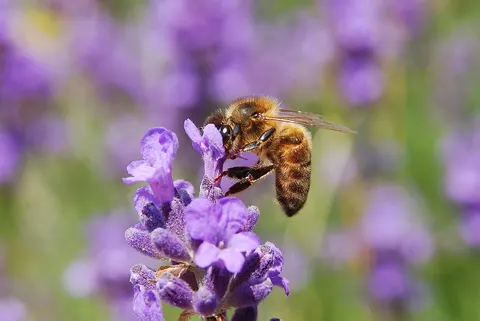
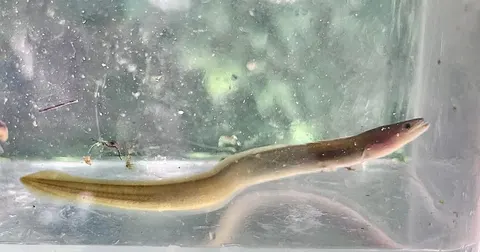
Keep wondering: meet an animal that may actually escape aging in is there an immortal animal, the opposite extreme of a life cut short in why bees die after they sting, and a 2,000-year mystery of long lives in how eels reproduce.

Join the conversation
Comments are reviewed before they appear. Be kind and stay curious.
Loading comments…