
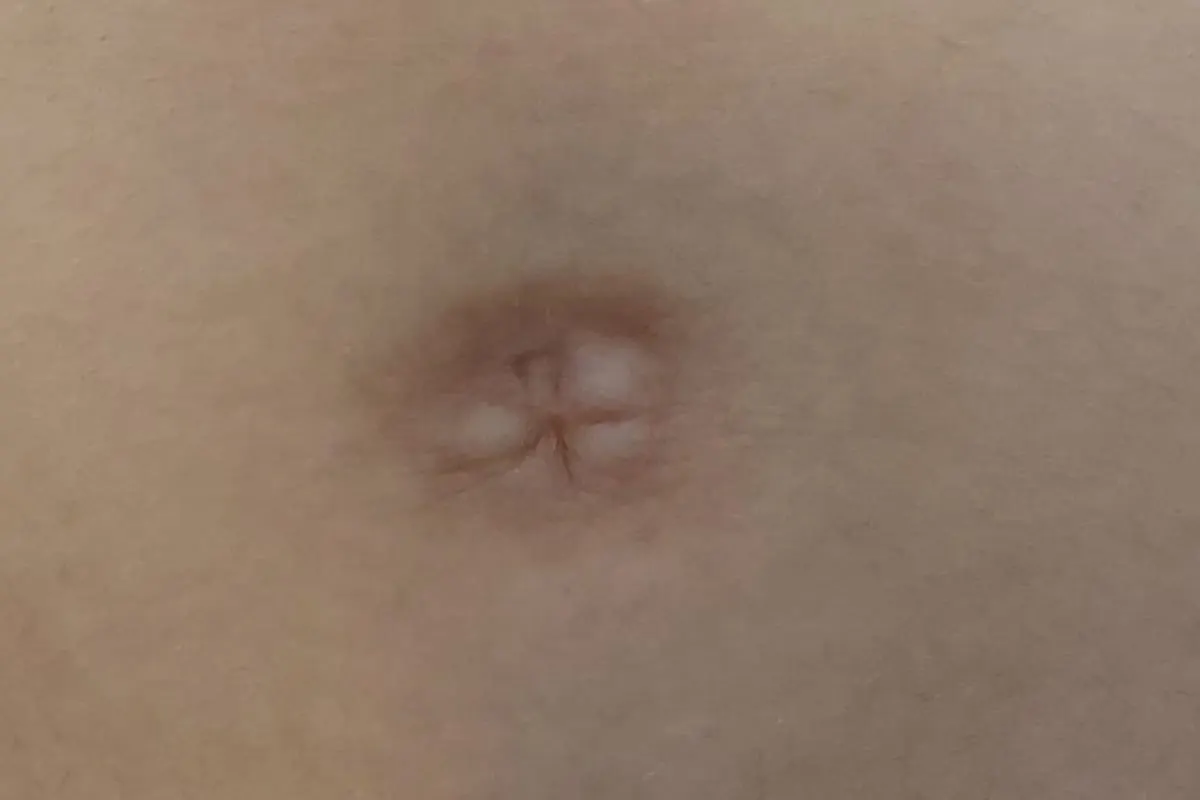
It is the one scar almost everyone has, and the only one nobody remembers getting. Your belly button has been there since your first week of life, a small permanent dimple in the middle of you. It is easy to forget it is even a scar at all, but that is exactly what it is. Why do we have belly buttons, of all things? They are a quiet reminder of the very first connection you ever had.
The short answer: a mark from your lifeline
Before you were born, you could not eat, breathe, or clear away waste on your own. A cord did all of it for you. The umbilical cord was, as the Cleveland Clinic describes it, "a flexible, tubelike structure that acts as a lifeline" between you and the body that grew you, carrying oxygen and nutrients in from the placenta and ferrying waste back out (Cleveland Clinic). Your belly button is simply where that lifeline plugged in.
How the scar forms
The moment you were born, you started breathing and feeding on your own, and the cord's job was over. A provider clamped and cut it, leaving a short stump on your stomach. Over the next one to three weeks the stump dried, shriveled, and dropped off by itself. The opening underneath sealed shut and healed into the small indented spot you have today (Cleveland Clinic). No two heal exactly alike, which is why no two belly buttons look quite the same.
Innie or outie? Not the doctor's call
There is a stubborn myth that a doctor or midwife "makes" an innie or an outie by how they cut the cord. They do not. As UMBC biologist Sarah Leupen explains, "the look of your belly button is not related to the location of the clamp or where your doctor cut the cord" (UMBC News). It comes down to genetics and how your particular scar healed, the same lottery that hands out dimples and curly hair.
Everyone in the club has one
A belly button is the membership badge of the placental mammals. Dogs, cats, whales, and elephants all have one, usually a faint flat scar lost under fur rather than a deep dip. The animals without a human-style navel are the oddballs that skip the placenta: egg-laying platypuses and echidnas, and pouch-raised marsupials like kangaroos.
And after all that, the navel retires. Once the stump is gone, your belly button "doesn't do much of anything for the rest of your life," in the Cleveland Clinic's words. It is a closed account, a tiny monument to the nine months you spent being kept alive by someone else, the same kind of hidden bodily backstory behind why you cannot tickle yourself.
Keep wondering: your body is full of leftovers and reflexes you never think about, like the involuntary one behind why you cannot tickle yourself and the tiny chemical attack in why onions make you cry. More at The Science of Us.
Join the conversation
Comments are reviewed before they appear. Be kind and stay curious.
Loading comments…